Key Takeaway
- Melatonin supplements often act as a temporary band-aid for menopause sleep issues and can cause grogginess.
- Your gut microbiome is the primary source of serotonin, the direct precursor your brain needs to naturally produce its own melatonin.
- Targeted probiotics that support the estrobolome help balance both estrogen and natural sleep cycles.
How Estrobolome Probiotics Are Replacing Melatonin for Menopause Sleep
For decades, melatonin has been the go-to supplement for women struggling with menopause-induced insomnia. While it can help you fall asleep initially, many find that it doesn’t prevent the dreaded 3 AM wakeups, and it often leaves a lingering “hangover” effect the next morning. More importantly, supplementing with synthetic melatonin doesn’t address the root cause of the sleep disruption: fluctuating hormones.
Recently, functional medicine has shifted its focus from the brain to the gut. The discovery of the “estrobolome”—a specific collection of gut bacteria responsible for metabolizing estrogen—has revolutionized how we approach menopause symptoms, particularly sleep.

The Problem with Synthetic Melatonin
Your body is designed to produce melatonin naturally as darkness falls. When you take a pill, you are flooding your system with a sudden, massive dose that is often much higher than what your brain would generate on its own. Over time, this can cause your pineal gland to downregulate its own production. Additionally, synthetic melatonin does nothing to calm the cortisol spikes or temperature fluctuations that pull you out of deep sleep. If you rely heavily on sleep aids, exploring non-hormonal options for menopause symptoms might provide a more sustainable, root-cause approach.
What is the Estrobolome?
The estrobolome is a specialized subset of your gut microbiome. Its primary job is to produce an enzyme called beta-glucuronidase, which takes inactive estrogen, reactivates it, and sends it back into your bloodstream. When your gut is healthy, this process helps buffer the dramatic drops in estrogen that occur during perimenopause. When your gut is compromised, estrogen is simply excreted, leading to sharper hormonal crashes that trigger night sweats and anxiety.
The Serotonin-Melatonin Pipeline
Beyond estrogen management, your gut is the control center for your mood and sleep neurotransmitters. Over 90% of your body’s serotonin is manufactured in the digestive tract. Serotonin is the direct chemical precursor to melatonin. If your gut flora is out of balance, you won’t produce enough serotonin during the day, meaning your brain simply won’t have the raw materials to make melatonin at night. A healthy diet, including late-night snacks that support better sleep, can feed these beneficial bacteria.
How Probiotics Bridge the Gap
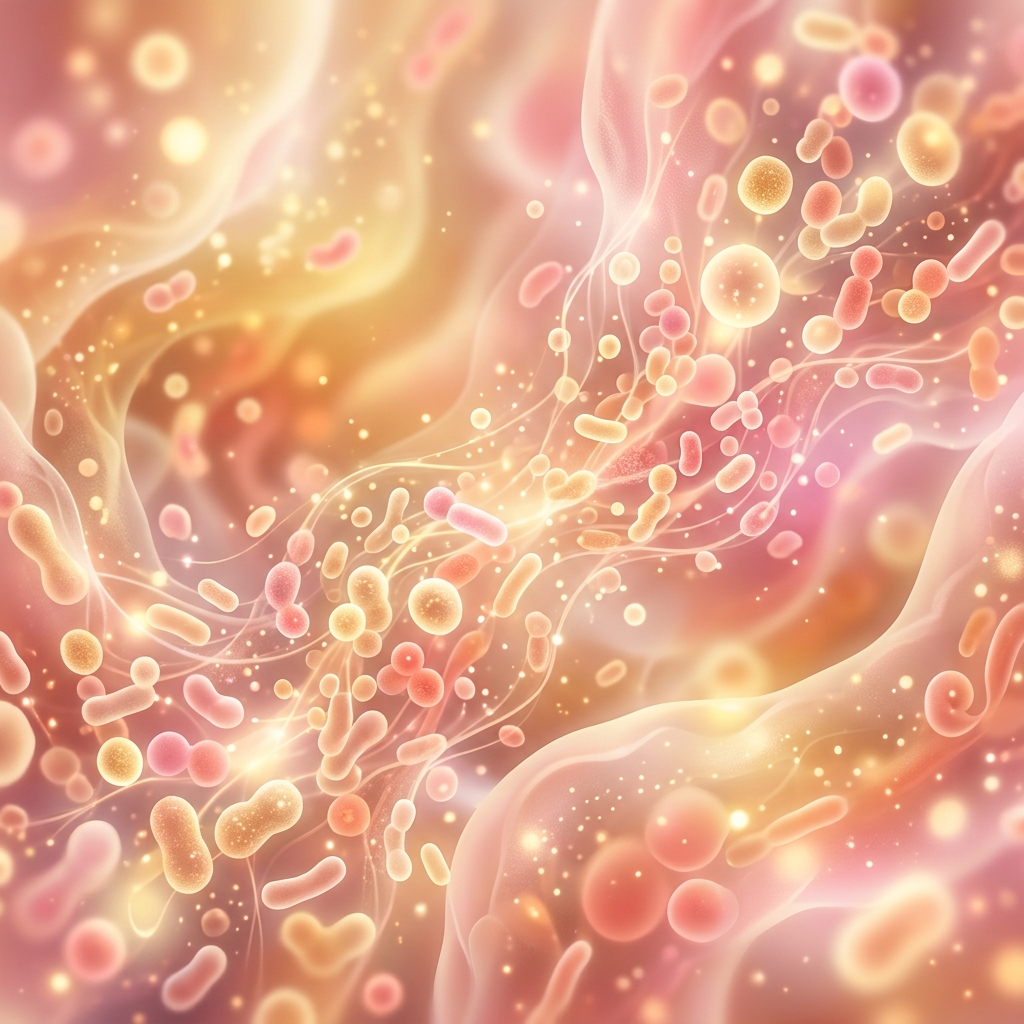
Instead of taking a pill that forces you to sleep, targeted probiotics work by repairing the gut environment so your body can resume its natural hormone production. By introducing strains like Lactobacillus and Bifidobacterium, you support both the estrobolome and the serotonin pathway. This dual action naturally stabilizes your internal clock without the morning grogginess associated with traditional sleep aids.
Building a Complete Sleep Protocol
While healing the gut is foundational, it works best when combined with behavioral changes. Lowering your evening stress levels ensures that cortisol doesn’t override your newly restored melatonin production. Implementing a progressive muscle relaxation routine alongside a daily probiotic can dramatically shift your sleep architecture from light and fragmented to deep and restorative.
Choosing the Right Support
Not all probiotics are equipped to handle the unique demands of the menopause transition. You need a formula specifically designed to support the estrobolome and calm systemic inflammation. Many women are turning away from the supplement aisle and exploring how MenoMate works for menopause sleep support, as it is uniquely formulated to address these interconnected hormonal and digestive pathways.
If you want to explore the optional support layer, check the current MenoMate offer here.
Final Verdict
Relying on synthetic melatonin during menopause is like putting a bucket under a leaky roof; it catches the immediate problem but doesn’t fix the source. By focusing on your estrobolome and gut health, you empower your body to naturally balance its estrogen levels and produce its own sleep hormones. Probiotics like MenoMate offer a proactive, root-cause solution for women ready to reclaim their nights without the morning hangover.
Related Guide: If you want to dive deeper, read our comprehensive guide on Why You Keep Waking Up at 3 AM During Perimenopause.
Sarah Jenkins, Holistic Wellness Editor
Reviewed by Medical Board
Sarah is a certified holistic health practitioner with over 10 years of experience in women's wellness. She ensures that all ToYourBody content is evidence-based and medically accurate.