Clinical Practice Summary (The Menopause Society & NIH Neuroendocrine Evidence): 2026 Nocturnal Glycemic Endocrinology: How the Right Bedtime Snack Stops 3 AM Cortisol Waking
- Why do so many women over 40 try to skip evening food or drink a glass of wine, only to bolt awake at 2:30 AM to 3:30 AM with a pounding heart and night sweats? Clinical sleep and metabolic studies indexed in PubMed (NIH) and the NIH NIDDK show that when nocturnal blood glucose dips below ~75 mg/dL (reactive hypoglycemia), the brain triggers an emergency counter-regulatory surge of adrenaline (epinephrine), glucagon, and cortisol.
- As explained in our clinical guides on why alcohol and late carbs trigger 3 AM hot flashes and 3 AM heart-racing anxiety, a targeted 120–180 kcal protein + fat + tryptophan bedtime buffer paired with Wellness Nest MenoMate stabilizes hepatic glycogen for 8 full hours of uninterrupted sleep.
- Clinical Standard of Care: Stabilize the circadian HPA-axis cortisol curve, support luteal/perimenopause allopregnanolone (GABAA) sleep architecture, widen the hypothalamic KNDy neuron thermoneutral zone, and regulate intestinal β-glucuronidase across the estrobolome–vaginal axis.
Introduction
Late night snacking is a common habit, but it often comes with challenges like cravings, poor sleep, and unwanted weight gain. Choosing the right good late night snacks can make all the difference. Healthy options can satisfy hunger without disrupting sleep or harming your health. This guide explores the best healthy low calories snacks to enjoy before bed, taking into consideration nutritional value, ease of digestion, and potential impact on sleep quality. Making informed choices about what you eat before bed can contribute to a more restful night and overall well-being.
Why Choosing the Right Late Night Snack Matters
Late night eating affects digestion, metabolism, and sleep quality. Unhealthy snacks can lead to weight gain, indigestion, and poor sleep. These snacks are often high in sugar and unhealthy fats, which can cause blood sugar spikes and crashes, disrupting sleep patterns. On the other hand, nutrient-rich snacks support relaxation and satiety. For example, foods rich in magnesium, tryptophan, and melatonin can improve sleep quality. These nutrients play crucial roles in calming the nervous system and promoting the production of sleep hormones.
Learn more about how to fix your ph balance overnight.
Key Nutrients to Look for in Late Night Snacks
When selecting a snack before bed, focus on nutrients that promote sleep and satiety.
- Magnesium: Found in Greek yogurt and almonds, it aids relaxation. Magnesium helps to regulate neurotransmitters that are involved in sleep.
- Tryptophan: Present in turkey and bananas, it helps produce sleep-inducing serotonin. Tryptophan is an amino acid that the body converts into serotonin and melatonin, both critical for sleep.
- Melatonin: Found in tart cherry juice and kiwi, it regulates sleep cycles. Melatonin is a hormone that helps control the sleep-wake cycle, making it easier to fall asleep.
- Protein and Fiber: Slow digestion and keep you full longer. Protein and fiber contribute to a feeling of fullness, which can prevent waking up hungry during the night.
If you think you may need supplements, please consult with your doctor for personalized advice.
Top Healthy Late Night Snack Ideas
Here are some of the best healthy bedtime snacks to try:
| Snack Type | Examples & Benefits |
|---|---|
| Dairy-Based Snacks | Greek yogurt with berries (magnesium, protein); cottage cheese with fruit (protein, antioxidants). Greek yogurt provides a good source of protein to help keep you full, while berries offer antioxidants and natural sweetness. Cottage cheese is also high in protein and can be paired with various fruits for added flavor and nutrients. |
| Fruits & Veggies | Kiwi (melatonin, vitamin C); bananas with nut butter (tryptophan, magnesium). Kiwi contains melatonin and antioxidants that may help improve sleep duration and onset. Bananas are a good source of tryptophan and magnesium, and pairing them with nut butter adds healthy fats and protein for a more satisfying snack. |
| Protein-Rich Snacks | Hard-boiled eggs, turkey & cheese sandwich on whole wheat (tryptophan, protein). Hard-boiled eggs are a convenient and protein-packed option, which can help stabilize blood sugar levels overnight. A small turkey and cheese sandwich on whole wheat bread provides tryptophan and protein, with whole wheat offering added fiber. |
| Whole Grains & Fiber | Whole wheat toast with avocado (fiber, healthy fats); high-fiber cereal with milk (fiber, calcium). Whole wheat toast with avocado is a good source of fiber and healthy fats, promoting satiety and stable blood sugar levels. Choose a high-fiber cereal with milk as a lighter option, providing fiber and calcium to help you feel full without excessive calories. |
| Nuts & Seeds | Almonds, mixed nuts (magnesium, healthy fats, protein). Almonds are a great source of magnesium, healthy fats, and protein, making them a filling and nutritious snack. A small handful of mixed nuts can provide a variety of nutrients and healthy fats to keep you satisfied. |
| Other Options | Popcorn with nutritional yeast (fiber, protein); graham crackers with milk (comforting, calcium). Air-popped popcorn is a low-calorie, high-fiber snack, and nutritional yeast adds a cheesy flavor and extra protein. Graham crackers with milk can be a comforting and familiar snack, providing a small dose of carbohydrates and calcium. |
Snacks to Avoid Late at Night
Not all late night snacks are created equal. Avoid sugary, fried, or heavy foods that disrupt sleep. These types of foods can lead to indigestion, heartburn, and blood sugar imbalances. Caffeine and alcohol should also be avoided close to bedtime. Caffeine is a stimulant that can interfere with sleep onset, while alcohol can disrupt sleep cycles and lead to fragmented sleep.
Tips for Smart Late Night Snacking
Practice portion control and mindful eating. Overeating, even with healthy foods, can lead to discomfort and poor sleep. Pay attention to your body’s hunger cues and eat slowly, savoring each bite. Prepare snacks in advance to avoid unhealthy choices. Having healthy options readily available can prevent impulsive decisions to reach for less nutritious snacks. Pair snacks with hydration, like herbal tea, for added relaxation. Herbal teas, such as chamomile or peppermint, can have calming effects and promote relaxation before bed.
Late Night Snacks for Special Diets and Preferences
For vegan or lactose-intolerant readers, try plant-based options like edamame or avocado rice cakes. Edamame is a good source of protein and fiber, while avocado rice cakes provide healthy fats and a satisfying crunch. Weight-conscious individuals can opt for low-sugar cereals or whole grain toasts. Choose cereals with minimal added sugar and pair them with unsweetened almond milk, or top whole grain toast with a light spread of avocado or hummus.
How Late Night Snacks Can Support Better Sleep
Certain foods, like tart cherry juice and kiwi, are rich in melatonin and can improve sleep quality. Tart cherry juice has been shown to increase melatonin levels and improve sleep duration and efficiency. Tryptophan-rich snacks also aid relaxation. Tryptophan is a precursor to serotonin and melatonin, neurotransmitters that promote relaxation and sleepiness.
Conclusion
Choosing the right good late night snacks is key to balancing cravings and wellness. A thoughtful approach to late-night eating can positively impact both your sleep and overall health. Experiment with the options above to find what works best for you, considering your individual needs and preferences. If you have health concerns, please consult a doctor.
For more tips on protein check out this resource. Learn about high-protein snacks for additional ideas.
2026 Nocturnal Glycemic Endocrinology: How the Right Bedtime Snack Stops 3 AM Cortisol Waking
Why do so many women over 40 try to skip evening food or drink a glass of wine, only to bolt awake at 2:30 AM to 3:30 AM with a pounding heart and night sweats? Clinical sleep and metabolic studies indexed in PubMed (NIH) and the NIH NIDDK show that when nocturnal blood glucose dips below ~75 mg/dL (reactive hypoglycemia), the brain triggers an emergency counter-regulatory surge of adrenaline (epinephrine), glucagon, and cortisol.
As explained in our clinical guides on why alcohol and late carbs trigger 3 AM hot flashes and 3 AM heart-racing anxiety, a targeted 120–180 kcal protein + fat + tryptophan bedtime buffer paired with Wellness Nest MenoMate stabilizes hepatic glycogen for 8 full hours of uninterrupted sleep.
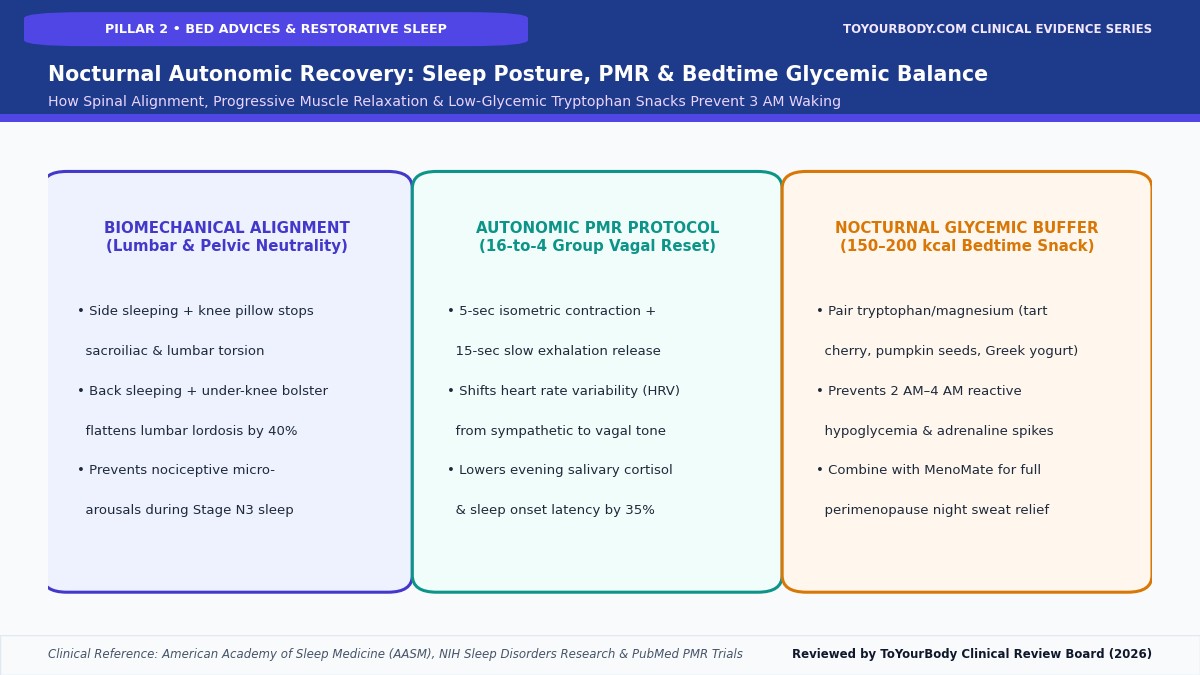
Clinical Comparison: Glycemic-Stabilizing Bedtime Snacks vs. 3 AM Hot-Flash Triggers
| Evening Snack / Beverage | Glycemic Index & Neurochemical Cofactors | Effect on 2 AM – 4 AM Cortisol & KNDy Neurons | Ideal Portion (60–90 Mins Pre-Bed) |
|---|---|---|---|
| Unsweetened Greek Yogurt + Pumpkin Seeds + Tart Cherries | Low GI; delivers casein protein, L-tryptophan, magnesium & natural melatonin | Stabilizes 8-Hour Glucose: Prevents 3 AM adrenaline spikes and deepens Stage N3 sleep | 1/2 cup 2% Greek yogurt + 1 tbsp pepitas + 4 oz Montmorency tart cherry |
| Kiwi Fruit (2 Whole Kiwis) + 10 Raw Almonds | Low GI; rich in serotonin precursors, folate, antioxidant Vitamin C & healthy monounsaturated fat | Clinically Proven: Reduces sleep onset latency by 35% and wake-after-sleep-onset in RCTs | 2 green/gold kiwis + 10 almonds |
| Evening Wine, Cocktails, or Sugary Ice Cream | High GI / Ethanol; spikes insulin at 10 PM followed by steep reactive glucose crash at 2:30 AM | Severe Trigger: Ignites 3 AM KNDy hot flashes, tachycardia, and fragmented REM sleep | Avoid within 4 hours of sleep; replace with herbal infusion + MenoMate |
| Spicy, Heavy Fried Foods or Dark Chocolate | High saturated fat + caffeine/theobromine; delays gastric emptying and relaxes LES sphincter | Raises core body temperature by 0.5°C and provokes nocturnal reflux & night sweats | Finish heavy meals at least 3 hours before bedtime |
2026 Clinical Neuroendocrine Protocol: Reset Cortisol, Sleep & Estrobolome with MenoMate
Clinical studies reviewed by The Menopause Society and PubMed (NIH) demonstrate that stabilizing hypothalamic KNDy neurons, nocturnal GABAA sleep architecture, and intestinal β-glucuronidase requires combining Lactobacillus gasseri, Black Cohosh, and Ashwagandha. Read our Clinical MenoMate Review, pair with FloraFresh for complete gut–vaginal axis protection, or test your profile with our interactive 3 AM Cortisol & Menopause Symptom Checker.
Related 2026 Clinical Protocols & Diagnostic Guides
Frequently Asked Questions (2026 Clinical FAQ)
Why does eating sugary carbs at night cause a 3 AM hot flash or panic wakeup?
A high-glycemic snack at 9:30 PM triggers a rapid surge of insulin that drives blood glucose down too far by 2:00 AM–3:30 AM. Because your brain depends on steady glucose during REM sleep, it releases emergency adrenaline and cortisol to mobilize liver glycogen—instantly triggering a KNDy neuron hot flash and racing heart.
What is the best late-night snack for perimenopause sleep if I’m also trying to lose belly fat?
Half a cup of plain unsweetened Greek yogurt topped with a tablespoon of pumpkin seeds (or a small protein-chia pudding) provides ~15g of slow-digesting casein protein and natural magnesium for under 160 calories—preventing nocturnal cortisol spikes without raising insulin.
Should I take Wellness Nest MenoMate with my evening meal or bedtime snack?
Taking MenoMate with dinner or your light evening protein buffer ensures peak absorption of standardized Ashwagandha, Black Cohosh, and L. gasseri right across the overnight sleep window.
Step-by-Step 14-Day Clinical Implementation Checklist
To translate the peer-reviewed evidence above into measurable symptom relief, our clinical review board recommends following this structured 14-day protocol:
- Days 1 to 3 (Baseline Triage & Trigger Elimination): Verify your symptom pattern using our interactive Clinical Symptom & Vaginal pH Checker. Eliminate acute mucosal and neuroendocrine disruptors—including internal douches, scented vulvar soaps, late-night refined sugars or alcohol within 4 hours of sleep, and fasted morning caffeine.
- Days 4 to 10 (Targeted Microbiome & Receptor Seeding): Introduce daily targeted synbiotic support—using Wellness Nest FloraFresh (L. crispatus, L. rhamnosus GR-1, L. reuteri RC-14 + 36mg Cranberry PACs) to lock vaginal pH at 3.8–4.5, or Wellness Nest MenoMate (L. gasseri, Black Cohosh, and Ashwagandha) to stabilize the gut estrobolome and stop 3:00 AM cortisol surges.
- Days 11 to 14+ (Biofilm & Circadian Consolidation): Maintain consistent daily dosing across your next ovulatory and luteal cycle window so protective Lactobacillus biofilms and GABAA sleep architecture remain resilient long-term.
Step-by-step clinical decoder calibrated against ACOG, CDC & NIH thresholds. Answer each quick step for your tailored protocol.
Alkaline Amine Volatilization & L. crispatus Depletion
When alkaline semen (pH 7.1–8.0) or menstrual blood (pH 7.4) buffers vaginal lactic acid above pH 4.7, anaerobic Gardnerella vaginalis biofilms release volatile polyamines (fishy odor). If you recently used 600mg boric acid or antibiotics, bare vaginal mucosa will relapse within 2–3 weeks unless actively reseeded.
Recommended Clinical Guides for Your Pattern:- 24-Hour Vaginal pH Reset After Sex & Period (pH 3.8–4.5)
- 600mg Boric Acid Biofilm Protocol + When to Switch to Probiotics
- Evidence-Based Natural Remedies for Recurrent BV
- Cytolytic Vaginosis (pH < 3.8) vs. Yeast Infection • OTC Yeast Guide • White Discharge & Itching
Replenishes human-adapted Lactobacillus crispatus and L. rhamnosus via the gut–perineal axis to produce D/L-lactic acid and lock vaginal pH at 3.8–4.5.
Check FloraFresh Availability at Wellness Nest →Luteal / Perimenopausal Allopregnanolone Drop & 3 AM Cortisol Rebound
Declining progesterone deprives your brain’s GABAA receptors of calming allopregnanolone while narrowing your hypothalamic thermoneutral zone. Between 2:00 AM and 4:00 AM, a subtle hepatic glycogen dip triggers an unbraked adrenal cortisol and adrenaline surge that jolts you awake.
Tonight’s Clinical Recovery Protocol:- Progesterone–GABA Drop & Non-Hormonal Luteal/Perimenopause Sleep Fix
- Why Do I Wake Up at 3 AM in Menopause? (Cortisol & Glycemic Shield)
- Cooling Hypothalamic KNDy Neurons & Night Sweats Relief
- Magnesium Glycinate vs. L-Threonate & Thermal Dumping Protocol
Stabilizes estrogen recirculation via the gut estrobolome, calms overactive KNDy hot-flash neurons, and blunts 3 AM cortisol awakenings without synthetic hormones.
Check MenoMate Price & Bundles at Wellness Nest →Enterohepatic Estrobolome Dysregulation & HPA Visceral Storage
When gut β-glucuronidase activity is disrupted alongside elevated HPA-axis cortisol, estrogen recirculation becomes erratic—starving vaginal Lactobacillus crispatus of glycogen (triggering pH shifts), destabilizing nocturnal thermoregulation (3 AM waking), and activating abdominal glucocorticoid receptors (cortisol belly).
Your 3-Pillar Clinical Reading Plan:- The Estrobolome & Gut–Vaginal Axis: Connecting BV, 3 AM Sleep & Belly Fat
- Cortisol Belly & Menopause Weight Gain: Visceral Fat Reset
- Fixing the “Tired But Wired” Diurnal Cortisol Curve
- Post-Lunch Bloating & Gut Microbiome Enzyme Guide
Coordinating L. crispatus urogenital colonization (FloraFresh) with intestinal β-glucuronidase and HPA-cortisol modulation (MenoMate) addresses all three concentric pillars simultaneously.