
Key Takeaway
- Menopause belly fat is largely driven by insulin resistance and hormonal shifts, not just calorie intake.
- Avoiding hidden sugars, highly processed carbs, and inflammatory oils can naturally help balance hormones.
- Building a diet around fiber and lean protein makes it easier to prevent stubborn weight gain around the midsection.
7 Foods to Avoid If You’re Gaining Menopause Belly Fat
When you enter perimenopause or menopause, you might notice that the diet strategies that worked in your thirties no longer have the same effect. One of the most common frustrations is the sudden appearance of weight around the midsection. A diet for menopause weight gain isn’t about eating less—it’s about understanding how your body processes food differently as estrogen levels fluctuate.
As hormones shift, the body naturally becomes more insulin resistant. This means foods that spike your blood sugar are much more likely to be stored as visceral fat. By making small but strategic changes to your daily nutrition, you can lower inflammation and support your metabolism.
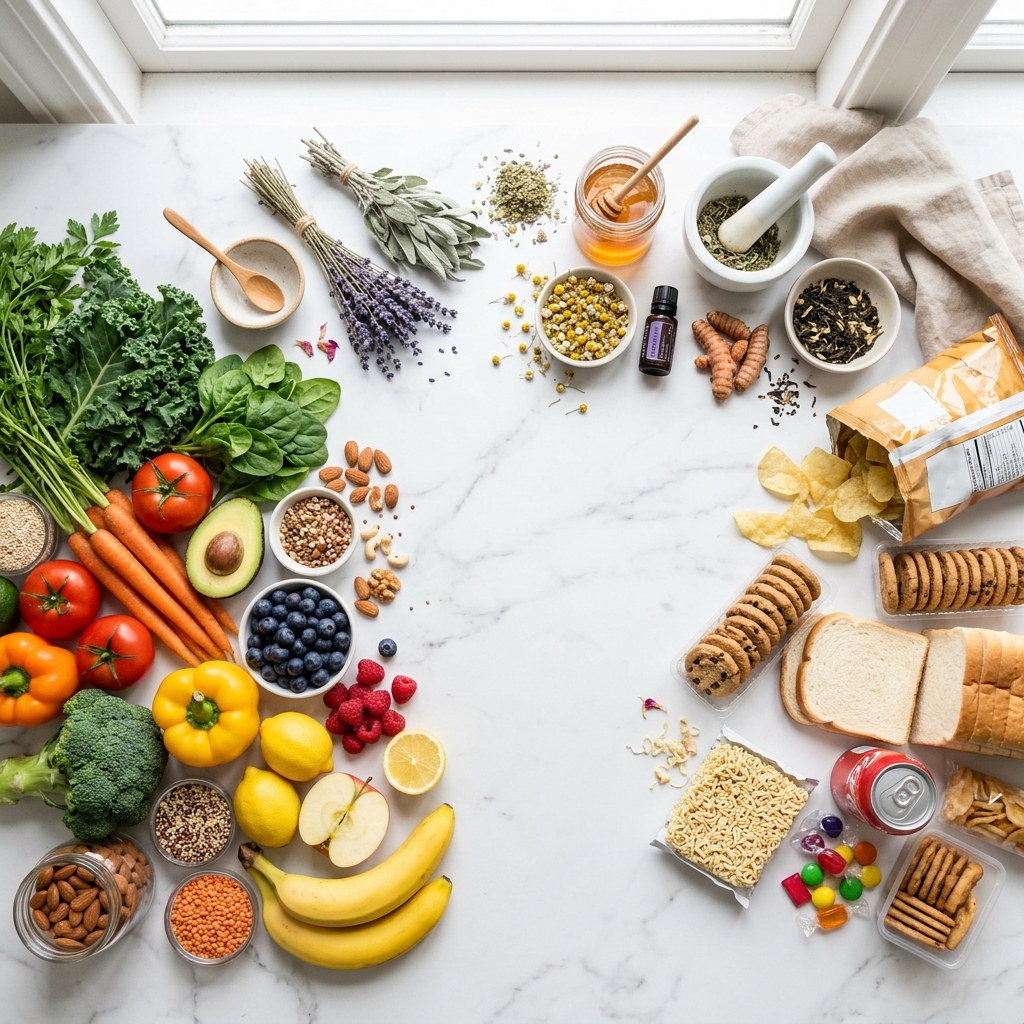
Flavored Yogurts and Hidden Sugars
Yogurt is often marketed as a health food, but many flavored varieties pack more added sugar than a candy bar. During menopause, your body’s ability to handle sugar spikes decreases. When blood sugar rises rapidly, your pancreas releases a surge of insulin, encouraging your body to store fat precisely around the waist. Instead of flavored options, opt for plain Greek yogurt and sweeten it naturally with berries or a dash of cinnamon.
Refined Carbohydrates (White Bread and Pasta)
Refined carbs digest almost instantly, leading to an immediate blood sugar spike followed by a crash that leaves you hungry again. This rollercoaster makes hormone balance significantly harder. Swapping white bread for whole grains, quinoa, or legume-based pastas adds fiber, which slows digestion and helps sweep excess estrogen out of the body through the digestive tract.
Highly Processed Meats
Sausages, hot dogs, and many deli meats are high in sodium and preservatives like nitrates. These can trigger widespread inflammation, which naturally elevates cortisol—the stress hormone heavily linked to abdominal fat. If you are struggling with severe hot flashes and stress, you might also want to look into natural alternatives to Veozah to manage symptoms without adding extra stress to your system.
Sugary Evening Treats
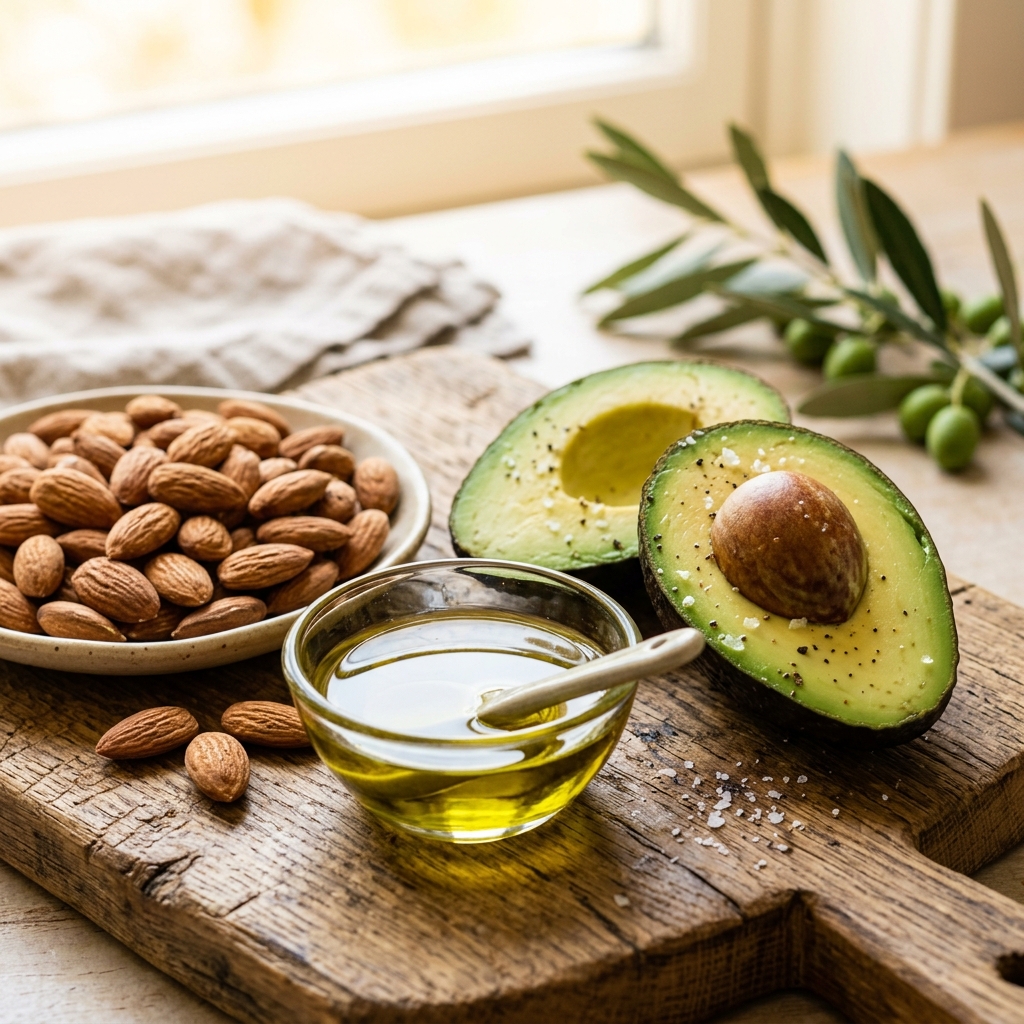
Eating sugar right before bed not only disrupts your sleep cycle but also interferes with overnight fat burning. A poor night of sleep raises your cortisol the next day, fueling sugar cravings and continuing the cycle of belly fat storage. If you need something before bed, focus on sleep-friendly evening snacks like a small handful of almonds or a spoonful of unsweetened almond butter.
Inflammatory Seed Oils
Oils like soybean, corn, and sunflower oil are highly processed and contain large amounts of Omega-6 fatty acids. While we need some Omega-6, the standard modern diet relies on it far too heavily, leading to chronic low-grade inflammation. This inflammation makes it harder for the body to lose weight. Switch to cold-pressed olive oil or avocado oil for cooking and dressings.
Alcohol (Especially Sugary Cocktails)
While a glass of wine might seem like a great way to unwind, alcohol interrupts your liver’s ability to metabolize fat and hormones efficiently. Because the liver prioritizes clearing alcohol from the bloodstream, fat burning is temporarily paused. Furthermore, alcohol can trigger hot flashes and poor sleep, compounding weight gain issues. If you do drink, limit it and choose dry wines over sugary mixed drinks.
Artificial Sweeteners
It sounds counterintuitive to avoid zero-calorie sweeteners when trying to lose weight. However, research shows that artificial sweeteners can negatively alter your gut microbiome. A healthy gut is essential for processing hormones properly. If your gut health is compromised, your body struggles to break down and eliminate excess estrogen, leading to weight retention. To support your digestive health during this transition, exploring a comprehensive MenoMate menopause support routine can be highly beneficial.
If you want to explore the optional support layer, check the current MenoMate offer here.
Final Verdict
Managing menopause belly fat requires a shift away from inflammatory, high-sugar foods toward a nutrient-dense, fiber-rich approach that stabilizes insulin and supports the gut. By avoiding these 7 foods and focusing on hormone-friendly nutrition, you can regain control of your waistline. MenoMate can be a reasonable option alongside these healthy habits to provide extra microbiome and symptom support.
Related Guide: If you want to dive deeper, read our comprehensive guide on The Hidden Link Between High Cortisol and Belly Fat.
Sarah Jenkins, Holistic Wellness Editor
Reviewed by Medical Board
Sarah is a certified holistic health practitioner with over 10 years of experience in women's wellness. She ensures that all ToYourBody content is evidence-based and medically accurate.