Key Takeaways
- Sudden post-lunch distension is caused by trapped air, delayed motility, and rapid carbohydrate fermentation rather than true body fat gain.
- Surprising “healthy” midday choices—such as raw cruciferous vegetables, alliums in dressings, legumes, and sugar alcohols—are potent high-FODMAP triggers.
- Targeted physiological fixes—including a 10-minute walk, diaphragmatic breathing, and digestive enzyme support—can relieve abdominal bloating within 30 minutes.
Medical Disclaimer: The information provided on ToYourBody is for educational and informational purposes only and is not intended as medical advice. Always consult a qualified healthcare provider regarding any health condition or treatment.
Why Am I Always Bloated After Lunch? 5 Hidden Gut Triggers and Natural Fixes
It is 1:30 PM on a busy workday. You just finished what seemed like a nutritious lunch—a crisp salad or grilled chicken wrap—and returned to your desk. Within thirty minutes, your waistband feels uncomfortably tight, your abdomen swells, and sluggish brain fog sets in. If you frequently ask, “Why am I always bloated after lunch?”, you are experiencing a remarkably common digestive frustration.
Crucially, waking up with a flat stomach only to feel uncomfortably bloated after lunch is not acute fat gain. Accumulating adipose tissue requires sustained caloric surplus over days. Sudden postprandial distension instead stems from trapped air, rapid microbial gas fermentation, and localized fluid shifts. When your gastrointestinal tract struggles to process midday meals, intra-abdominal pressure surges. Understanding these gut mechanics is key to reclaiming energized afternoons.
The Physiology of Postprandial Bloating
Digestion is an intricate neurochemical cascade requiring precise coordination between your stomach, pancreas, liver, and intestines. When any checkpoint falters, postprandial bloating quickly follows.
The process begins in the stomach, where parietal cells secrete hydrochloric acid (HCl) to achieve an acidic pH of 1.5–2.0, denaturing dietary proteins and activating pepsin. As acidic chyme enters the duodenum, it triggers cholecystokinin (CCK) and secretin, signaling the gallbladder to release bile and the pancreas to secrete amylase, lipase, and protease enzymes.
Simultaneously, the vagus nerve coordinates motility to sweep food forward. Eating under stress activates sympathetic tone, suppressing stomach acid, blunting enzyme output, and stalling transit. Half-digested food then lingers in the gut, where bacteria ferment unabsorbed carbohydrates into hydrogen, methane, and carbon dioxide gases that stretch visceral nerves.
Trigger 1: Rapid Eating and Swallowed Air (Aerophagia)
In modern office environments, lunch is often rushed—swallowed between Zoom meetings or while typing emails. Eating quickly causes you to swallow substantial air, a condition known as aerophagia.
Each hurried swallow draws nitrogen and oxygen into the gastric fundus. Unlike colonic gas produced hours later, swallowed air pools immediately in the upper stomach, causing acute epigastric fullness, belching, and pressure. Hurried eating also bypasses thorough chewing, delivering large food boluses that delay gastric emptying. Washing meals down with carbonated water, drinking through straws, or chewing gum post-lunch further compounds aerophagia, trapping gas while seated.
Trigger 2: High-FODMAP Lunchtime Culprits You Thought Were Healthy
A frequent reason you may feel bloated after lunch stems from foods you consider healthy. Many desk workers choose large raw salads or protein bars, unaware that these options are packed with FODMAPs (Fermentable Oligosaccharides, Disaccharides, Monosaccharides, and Polyols).
FODMAPs resist small-intestinal absorption, drawing water into the bowel before colon bacteria rapidly ferment them into gas. Key lunchtime offenders include:
- Raw Cruciferous Vegetables: Raw kale, broccoli, and cabbage contain raffinose—an indigestible sugar—and tough cellulose fibers that irritate intestinal walls.
- Alliums in Dressings: Commercial vinaigrettes and marinades rely heavily on garlic and onion powders, which are concentrated sources of fermentable fructans.
- Legumes and Hummus: Chickpea salads and hummus bowls deliver galacto-oligosaccharides (GOS), which ferment rapidly within two hours.
- “Diet” Protein Bars: Snack bars often contain polyols (erythritol, sorbitol) and chicory root fiber (inulin), both notorious for sparking painful distension.
Trigger 3: Insufficient Digestive Enzymes and Low Stomach Acid
Even a balanced meal can leave you bloated after lunch if your body produces insufficient digestive enzymes or stomach acid (hypochlorhydria).
Suboptimal stomach acid is common among stressed professionals. Without adequate HCl, protein structures fail to unravel, and downstream pancreatic enzymes are not triggered. Stagnant proteins and fats then undergo secondary fermentation in the small intestine. Incorporating targeted digestive health supplements containing broad-spectrum enzymes (protease, lipase, amylase) and betaine HCl bridges this gap, breaking down meals before they trigger distension.
Trigger 4: Post-Lunch Sedentary Posture (The Desk Slump)
What you do immediately after eating impacts gut motility. Returning to slump over a computer keyboard mechanically compresses the abdominal cavity.
This hunched posture constricts the transverse colon and small intestine, impeding the peristaltic waves that propel food and gas forward. Clinical imaging confirms that seated, slouched postures delay gas transit, causing pockets to pool painfully in the colon’s flexures. Shallow chest breathing also deprives viscera of diaphragmatic stimulation, locking the gut in a sluggish state.
Trigger 5: Gut Microbiome Dysbiosis
Your gut microbiome dictates how smoothly you digest meals. In balanced eubiosis, commensal flora comfortably metabolize fibers into beneficial short-chain fatty acids. However, an imbalance known as dysbiosis allows gas-producing opportunistic microbes to thrive.
A primary driver is Small Intestinal Bacterial Overgrowth (SIBO), where colonic bacteria migrate upward into the small intestine. When you eat lunch, these misplaced microbes ferment food prematurely, provoking upper-abdominal distension within forty-five minutes. Protocols utilizing probiotics for microbiome balance replenish protective Lactobacillus and Bifidobacterium strains while reinforcing mucosal immunity. Concurrently, therapeutic strategies for restoring internal microbial balance foster an optimal environment that discourages opportunistic gas-producing flora.
5 Science-Backed Fixes to Reset Your Digestion Within 30 Minutes
You do not have to accept afternoon distension as an inevitable part of your workday. Apply these five evidence-based habits to soothe post-lunch bloating within thirty minutes:
- Take a 10-Minute Post-Meal Stroll: Light walking accelerates gastric emptying and stimulates intestinal gas clearance, using gravity and abdominal motion to disperse trapped gas quickly.
- Practice Diaphragmatic Box Breathing: Spend three minutes practicing slow diaphragmatic breathing (4 seconds in, 4 hold, 4 out, 4 hold). This stimulates the vagus nerve, calming stress and restoring digestive blood flow.
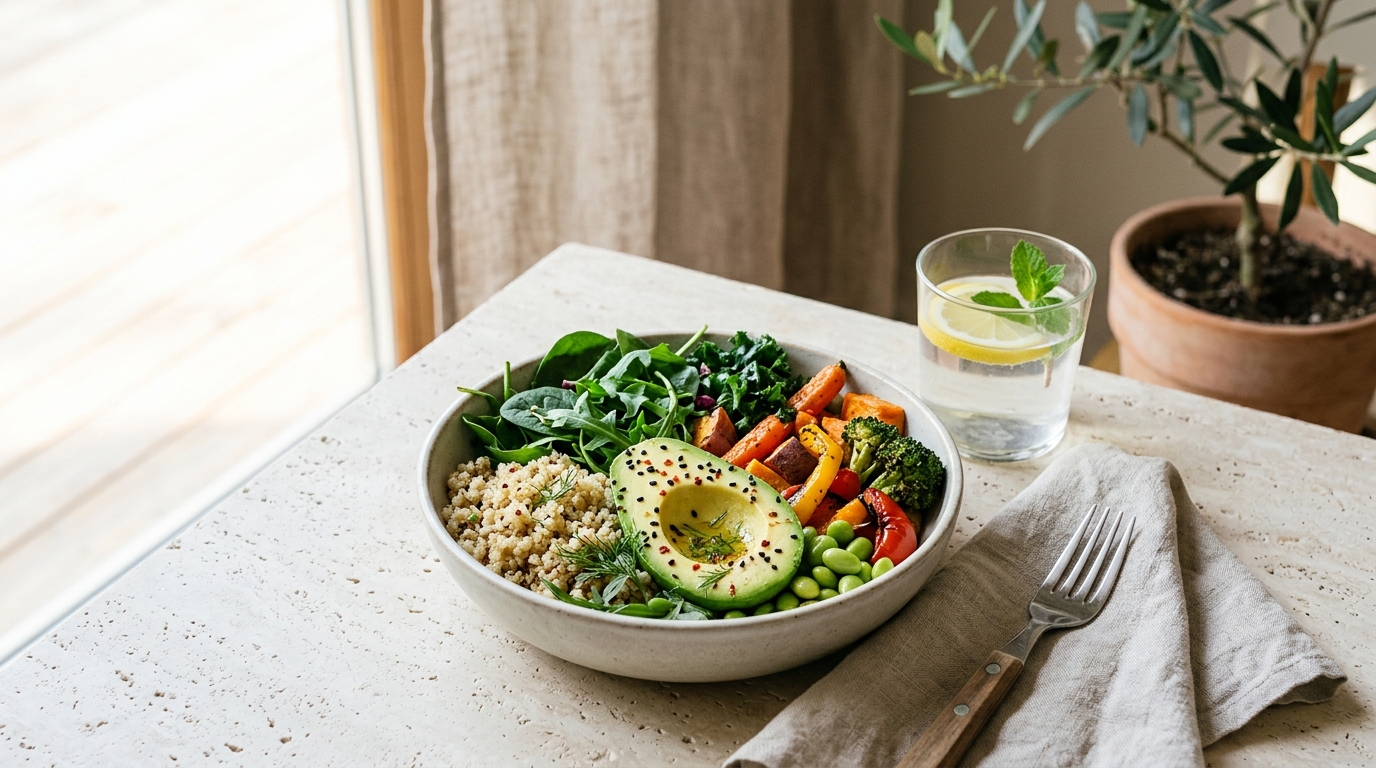
- Switch from Raw Salads to Steamed Bowls: Choose cooked or steamed vegetables instead of fibrous raw greens. Thermal cooking breaks down tough cellulose, significantly reducing digestive workload.
- Follow the “Liquid Separation” Rule: Avoid iced beverages or sparkling seltzers during lunch. Liquids dilute gastric acid, while carbonation introduces trapped air. Hydrate before meals and limit lunch fluids to small sips.
- Sip Carminative Herbal Tea: Keep peppermint, ginger, or fennel tea at your desk. Volatile oils like menthol and anethole relax intestinal smooth muscle, releasing trapped gas without cramping.
Struggling with daily digestive sluggishness? Explore our curated medical review of the most effective digestive health supplements for bloating and nutrient absorption.
Final Verdict
Feeling bloated after lunch signals that eating pace, meal composition, desk posture, or gut flora need recalibration. By swapping fibrous raw greens for cooked dishes, pacing your eating, taking brief post-meal walks, and incorporating targeted digestive enzymes and probiotics, you can transform sluggish afternoons into productive, comfortable hours. If severe distension persists despite these changes, consult a functional gastroenterologist to evaluate for underlying conditions like SIBO or enzyme deficiencies.

Written by Dr. Sarah Jenkins
Health & Wellness Researcher specializing in clinical nutrition, gut microbiome balance, and functional gastrointestinal health.
Sarah Jenkins, Holistic Wellness Editor
Reviewed by Medical Board
Sarah is a certified holistic health practitioner with over 10 years of experience in women's wellness. She ensures that all ToYourBody content is evidence-based and medically accurate.