

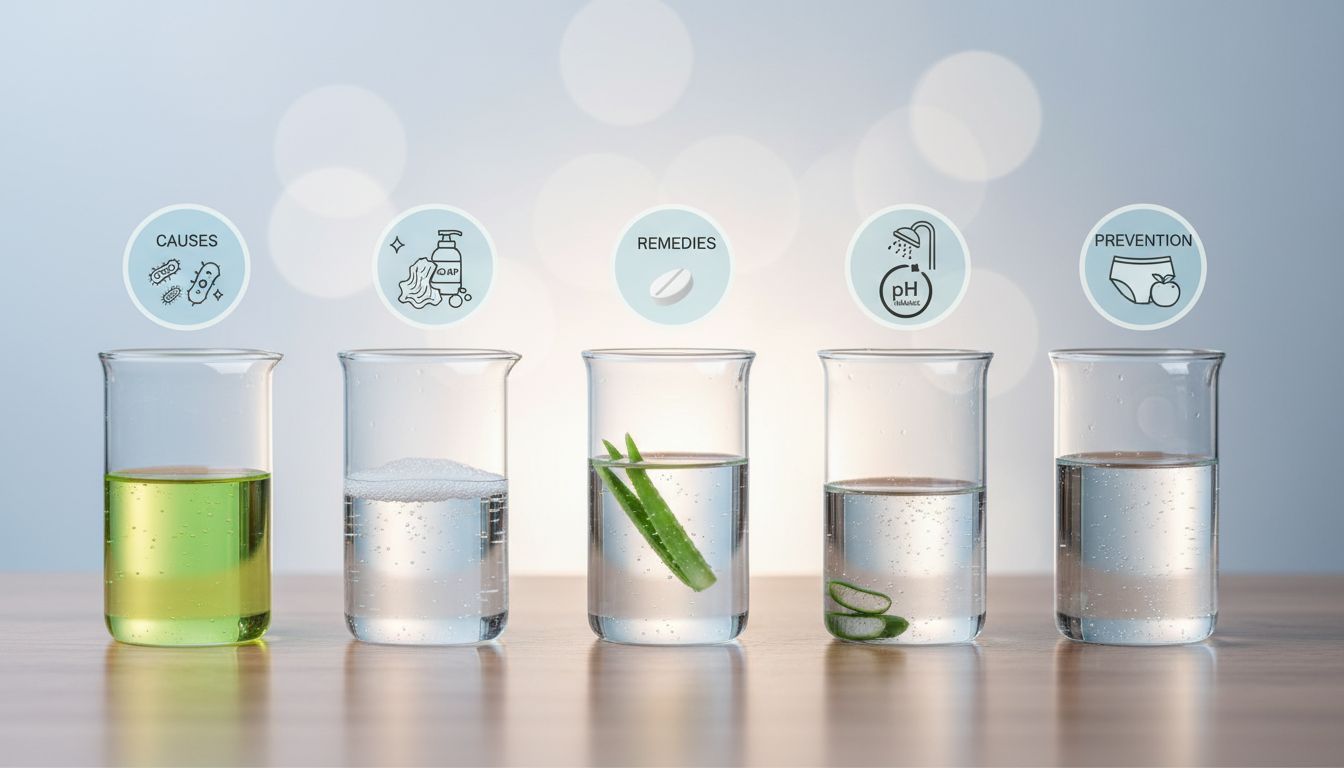
Vaginal odor is a common concern that many of us women experience at some point. While slight scent variations are totally normal, sometimes a persistent or strong odor can make you feel self-conscious and may even signal an underlying issue. This article is here to help you sort out what’s considered a normal vaginal scent from what might be cause for concern, explore some of the usual suspects behind those odors, and share some practical, evidence-based ways to tackle the problem. However, it’s super important to remember that if you’re dealing with severe symptoms or just feel uneasy, chatting with a healthcare professional is always the best move.
Clinical Practice Summary (ACOG, CDC & NIH Vaginal Microbiome Evidence): 2026 Biochemical Odor Analysis: Biogenic Amines, Apocrine Sweat & Vaginal pH 3.8–4.5
- Clinical microbiology research published by the CDC and PubMed (NIH) explains the exact chemistry of vaginal odor. A healthy vaginal microbiome dominated by Lactobacillus crispatus produces lactic acid (pH 3.8–4.5), creating a mild, clean, slightly tangy scent similar to plain kefir. A sharp fishy vaginal odor occurs only when anaerobic bacteria (Gardnerella vaginalis, Prevotella, Mobiluncus) decarboxylate amino acids into volatile biogenic amines—specifically trimethylamine, putrescine, and cadaverine.
- Because these amines volatilize into gas only when vaginal pH rises above 4.7 (such as immediately after exposure to alkaline semen at pH 7.8 or menstrual blood at pH 7.4), masking sprays and douches always fail. Eliminating vaginal smell permanently requires restoring lactic-acid-producing L. crispatus with Wellness Nest FloraFresh.
- Clinical Standard of Care: Verify luminal vaginal pH (normal 3.8–4.5) before initiating antimicrobial therapy, avoid internal douching, and restore protective Community State Type I (Lactobacillus crispatus, L. rhamnosus GR-1, and L. reuteri RC-14) mucosal dominance across the gut–vaginal axis.
Understanding Normal vs. Abnormal Vaginal Odor
A healthy vagina has its own unique scent – think mild, musky, or a touch acidic. It’s like your body’s signature perfume! This scent can change a bit depending on different factors like where you are in your menstrual cycle, whether you’ve been sexually active, your diet, and your personal hygiene routine. All these fluctuations are completely normal. They’re mainly influenced by your vaginal pH balance and the presence of those good bacteria, like lactobacilli, that keep everything in check.
Now, on the flip side, abnormal odors are the ones that might raise an eyebrow. We’re talking about smells that are fishy, yeasty (like bread), or just plain foul. These could be signs of an infection or some kind of imbalance. For example:
- Fishy odor: This is often linked to bacterial vaginosis (BV), which is a common thing.
- Yeasty/bread-like odor: This is commonly associated with yeast infections, which many women experience at some point.
- Foul odor: In some cases, this could potentially signal a sexually transmitted infection (STI) like trichomoniasis, so it’s worth getting it checked out.
Keep in mind that odor alone isn’t always a red flag. But if you’re also experiencing other symptoms like unusual discharge, itching, or a burning sensation, it’s a good idea to schedule a visit with your doctor to get things sorted out.
Common Causes of Vaginal Odor
So, what can throw off the balance and cause changes in vaginal odor? There are several factors that can contribute. Here are some of the most common culprits:
Bacterial Vaginosis (BV)
Bacterial Vaginosis, or BV as it’s often called, happens when the balance of bacteria in your vagina gets disrupted. Basically, the harmful bacteria start to outnumber the beneficial ones. This can lead to that distinctive fishy odor and a thin, grayish discharge that many women find bothersome. If you want to dive deeper into the specifics of BV, including its symptoms and available treatments, HealthyWomen is a great resource.
Yeast Infections
Yeast infections are a pretty common issue, and they’re caused by an overgrowth of a type of fungus called Candida. When this happens, you might notice a yeasty or bread-like smell, along with a thick, white discharge, and that oh-so-uncomfortable itching. There are several over-the-counter options available, but if it’s your first time experiencing these symptoms, it’s always a good idea to confirm with a healthcare professional.
Poor Hygiene
Okay, let’s talk hygiene. While it might seem like more is better, excessive washing can actually mess with your vaginal flora, disrupting the natural balance. On the flip side, not maintaining adequate hygiene can also contribute to odor issues. The key is finding that sweet spot. When cleansing, stick to gentle, fragrance-free cleansers to avoid irritation and maintain a healthy environment down there.
Diet and Lifestyle
Believe it or not, what you eat and how you live can also play a role in your vaginal scent. Certain foods, like garlic, onions, and really spicy dishes, can temporarily change things up. On the flip side, staying hydrated by drinking plenty of water and focusing on a well-rounded, balanced diet can help your body maintain a healthy pH balance, which is important for overall vaginal health.
Home Remedies for Vaginal Odor
If you’re dealing with a mild odor and want to try some home remedies, there are a few natural options that might help bring things back into balance. Keep in mind that these are generally for mild cases, and if you suspect an infection, it’s always best to consult a healthcare professional.
- Probiotics: These can be a great way to encourage the growth of those beneficial bacteria in your body. You can find probiotics in supplement form or in foods like yogurt and fermented goodies. Do some research online about vaginal health to find the best supplements that suits you. For additional information you can also check out our article regarding probiotics for women vaginal health.
- Apple cider vinegar baths: Some women swear by adding apple cider vinegar to their bathwater, believing it can help restore the natural pH balance.
- Hydration: Drinking plenty of water is always a good idea for overall health, and it can also help flush out toxins and support a healthy vaginal environment. Also, for more information about what you can drink to clean your vagina inside, click here.
For more insights and information, Women in Balance offers additional resources. With any remedy please seek professional medical advice.
Personal Experience: A Real-Life Case Study
Let me tell you about Jane, a 28-year-old teacher who came to me feeling really frustrated. She’d noticed a persistent, fishy odor after her period, and it was really impacting her confidence. Initially, she tried some over-the-counter products, hoping for a quick fix, but unfortunately, she didn’t see any improvement. Finally, she decided to consult her doctor, who diagnosed her with BV and prescribed antibiotics. Jane’s story is a good reminder that sometimes, despite our best efforts, professional medical advice is really important, especially when symptoms are persistent or concerning.
How to Prevent Vaginal Odor
When it comes to vaginal health, prevention is definitely key! Here are some simple habits you can incorporate into your routine to keep things balanced and fresh:
- Wear breathable cotton underwear: Cotton allows for better airflow, which helps keep the area dry and prevents the overgrowth of bacteria.
- Avoid douching, which disrupts natural flora: Douching can actually do more harm than good by disrupting the natural balance of bacteria in your vagina. It’s best to let your body cleanse itself naturally.
- Practice safe sex to reduce infection risks: Using barrier methods like condoms can significantly reduce your risk of contracting sexually transmitted infections that can cause odor and other issues. For more information, you can also check out our article about 10 healthy living tips.
Disclaimer: This article is intended for informational purposes only and does not substitute consultation and advice from a qualified healthcare professional. Always seek the advice of your physician or other qualified health provider with any questions you may have regarding a medical condition.
Related Guide: If you want to dive deeper, read our comprehensive guide on Vaginal Care: A Comprehensive Guide to Feminine Hygiene and Health.
2026 Biochemical Odor Analysis: Biogenic Amines, Apocrine Sweat & Vaginal pH 3.8–4.5
Clinical microbiology research published by the CDC and PubMed (NIH) explains the exact chemistry of vaginal odor. A healthy vaginal microbiome dominated by Lactobacillus crispatus produces lactic acid (pH 3.8–4.5), creating a mild, clean, slightly tangy scent similar to plain kefir. A sharp fishy vaginal odor occurs only when anaerobic bacteria (Gardnerella vaginalis, Prevotella, Mobiluncus) decarboxylate amino acids into volatile biogenic amines—specifically trimethylamine, putrescine, and cadaverine.
Because these amines volatilize into gas only when vaginal pH rises above 4.7 (such as immediately after exposure to alkaline semen at pH 7.8 or menstrual blood at pH 7.4), masking sprays and douches always fail. Eliminating vaginal smell permanently requires restoring lactic-acid-producing L. crispatus with Wellness Nest FloraFresh.
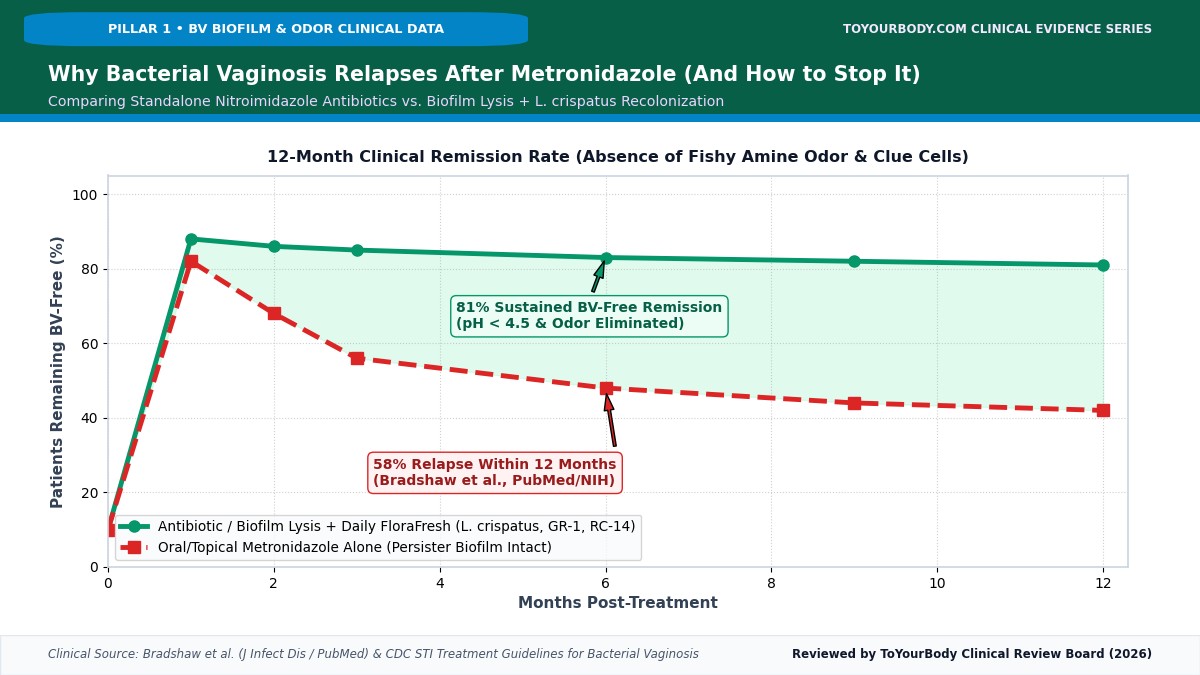
Clinical Odor Diagnostic Table: Identifying Scents by pH & Microbiome Cause
| Vaginal Scent Profile | Typical Vaginal pH | Biochemical & Microbial Cause | 2026 Clinical Resolution Protocol |
|---|---|---|---|
| Fishy / Amine Odor (Worse after sex or period) | Elevated (pH 4.8 – 6.0+) | Bacterial Vaginosis (BV) biofilm volatilizing trimethylamine, putrescine & cadaverine | 7-night biofilm lysis + daily oral FloraFresh (L. crispatus) |
| Metallic / Coppery Scent | Transiently Alkaline (pH 6.8 – 7.4) | Iron-rich hemoglobin oxidation during or 24–48 hours after menstruation | 24-hour post-period pH reset with external warm water & oral FloraFresh |
| Musky / Tangy or Sour Scent | Normal Acidic (pH 3.8 – 4.5) | Healthy D/L-lactic acid fermentation + inguinal apocrine sweat trapped by nylon fabrics | Normal flora! Switch to 100% cotton underwear & wash outer vulva with water only |
| Foul / Putrid or Rotten Odor | Variable (Often pH > 5.5) | Retained foreign body (forgotten tampon or condom fragment) or severe pelvic infection | Requires prompt in-office speculum exam by your OB/GYN (ACOG) |
2026 Clinical Microbiome Protocol: Lock Vaginal pH at 3.8–4.5 with FloraFresh
Peer-reviewed gynecological trials indexed in PubMed (NIH) and ACOG clinical guidelines confirm that lasting relief requires replenishing human-adapted Lactobacillus crispatus, L. rhamnosus GR-1, and L. reuteri RC-14 alongside 36mg A-Type Cranberry PACs. Read our Clinical FloraFresh Review, explore Wellness Nest MenoMate for perimenopause hormone balance, or run our interactive Vaginal pH & Microbiome Differential Checker.
Related 2026 Clinical Protocols & Diagnostic Guides
Frequently Asked Questions (2026 Clinical FAQ)
Why do I notice a fishy smell immediately after unprotected sex?
Human semen is strongly alkaline (pH 7.2 to 8.0). When ejaculate enters a vagina that has low Lactobacillus crispatus reserves or hidden Gardnerella biofilm, it instantly raises luminal pH above 5.0—causing non-odorous amine salts to convert into volatile, fishy-smelling free amines (the clinical ‘whiff test’ reaction).
Do scented feminine washes or deodorizing sprays get rid of vaginal odor?
No. Perfumed washes disrupt the vulvar acid mantle and strip protective lactobacilli, causing rebound Bacterial Vaginosis and contact dermatitis within days.
How quickly does Wellness Nest FloraFresh eliminate recurring vaginal odor?
By seeding L. crispatus, L. rhamnosus GR-1, and L. reuteri RC-14 across the gut-vaginal axis, FloraFresh lowers vaginal pH back below 4.5 where biogenic amines cannot volatilize, typically resolving recurring post-period and post-coital odor within 10 to 21 days.
Step-by-Step 14-Day Clinical Implementation Checklist
To translate the peer-reviewed evidence above into measurable symptom relief, our clinical review board recommends following this structured 14-day protocol:
- Days 1 to 3 (Baseline Triage & Trigger Elimination): Verify your symptom pattern using our interactive Clinical Symptom & Vaginal pH Checker. Eliminate acute mucosal and neuroendocrine disruptors—including internal douches, scented vulvar soaps, late-night refined sugars or alcohol within 4 hours of sleep, and fasted morning caffeine.
- Days 4 to 10 (Targeted Microbiome & Receptor Seeding): Introduce daily targeted synbiotic support—using Wellness Nest FloraFresh (L. crispatus, L. rhamnosus GR-1, L. reuteri RC-14 + 36mg Cranberry PACs) to lock vaginal pH at 3.8–4.5, or Wellness Nest MenoMate (L. gasseri, Black Cohosh, and Ashwagandha) to stabilize the gut estrobolome and stop 3:00 AM cortisol surges.
- Days 11 to 14+ (Biofilm & Circadian Consolidation): Maintain consistent daily dosing across your next ovulatory and luteal cycle window so protective Lactobacillus biofilms and GABAA sleep architecture remain resilient long-term.
Step-by-step clinical decoder calibrated against ACOG, CDC & NIH thresholds. Answer each quick step for your tailored protocol.
Alkaline Amine Volatilization & L. crispatus Depletion
When alkaline semen (pH 7.1–8.0) or menstrual blood (pH 7.4) buffers vaginal lactic acid above pH 4.7, anaerobic Gardnerella vaginalis biofilms release volatile polyamines (fishy odor). If you recently used 600mg boric acid or antibiotics, bare vaginal mucosa will relapse within 2–3 weeks unless actively reseeded.
Recommended Clinical Guides for Your Pattern:- 24-Hour Vaginal pH Reset After Sex & Period (pH 3.8–4.5)
- 600mg Boric Acid Biofilm Protocol + When to Switch to Probiotics
- Evidence-Based Natural Remedies for Recurrent BV
- Cytolytic Vaginosis (pH < 3.8) vs. Yeast Infection • OTC Yeast Guide • White Discharge & Itching
Replenishes human-adapted Lactobacillus crispatus and L. rhamnosus via the gut–perineal axis to produce D/L-lactic acid and lock vaginal pH at 3.8–4.5.
Check FloraFresh Availability at Wellness Nest →Luteal / Perimenopausal Allopregnanolone Drop & 3 AM Cortisol Rebound
Declining progesterone deprives your brain’s GABAA receptors of calming allopregnanolone while narrowing your hypothalamic thermoneutral zone. Between 2:00 AM and 4:00 AM, a subtle hepatic glycogen dip triggers an unbraked adrenal cortisol and adrenaline surge that jolts you awake.
Tonight’s Clinical Recovery Protocol:- Progesterone–GABA Drop & Non-Hormonal Luteal/Perimenopause Sleep Fix
- Why Do I Wake Up at 3 AM in Menopause? (Cortisol & Glycemic Shield)
- Cooling Hypothalamic KNDy Neurons & Night Sweats Relief
- Magnesium Glycinate vs. L-Threonate & Thermal Dumping Protocol
Stabilizes estrogen recirculation via the gut estrobolome, calms overactive KNDy hot-flash neurons, and blunts 3 AM cortisol awakenings without synthetic hormones.
Check MenoMate Price & Bundles at Wellness Nest →Enterohepatic Estrobolome Dysregulation & HPA Visceral Storage
When gut β-glucuronidase activity is disrupted alongside elevated HPA-axis cortisol, estrogen recirculation becomes erratic—starving vaginal Lactobacillus crispatus of glycogen (triggering pH shifts), destabilizing nocturnal thermoregulation (3 AM waking), and activating abdominal glucocorticoid receptors (cortisol belly).
Your 3-Pillar Clinical Reading Plan:- The Estrobolome & Gut–Vaginal Axis: Connecting BV, 3 AM Sleep & Belly Fat
- Cortisol Belly & Menopause Weight Gain: Visceral Fat Reset
- Fixing the “Tired But Wired” Diurnal Cortisol Curve
- Post-Lunch Bloating & Gut Microbiome Enzyme Guide
Coordinating L. crispatus urogenital colonization (FloraFresh) with intestinal β-glucuronidase and HPA-cortisol modulation (MenoMate) addresses all three concentric pillars simultaneously.



I bless the day I find Dr.ebediai thank him for his amazing natural herbal treatment that eliminated my herpes virus completely.don’t ever lose hope if you suffer from any deadly disease. like HIV ALS HPV etc. you don’t have to be worried.They can be cured forever without coming back.with the best herbal treatment from dr.ebedia.I am a leaving testimony I got cured totally and permanently from my Herpes virus with dr.ebedia natural herbal remedies.i recommend you all to dr.ebedia for your natural herbal cures trusted and reliable.
doc address drebedia@gmail. com