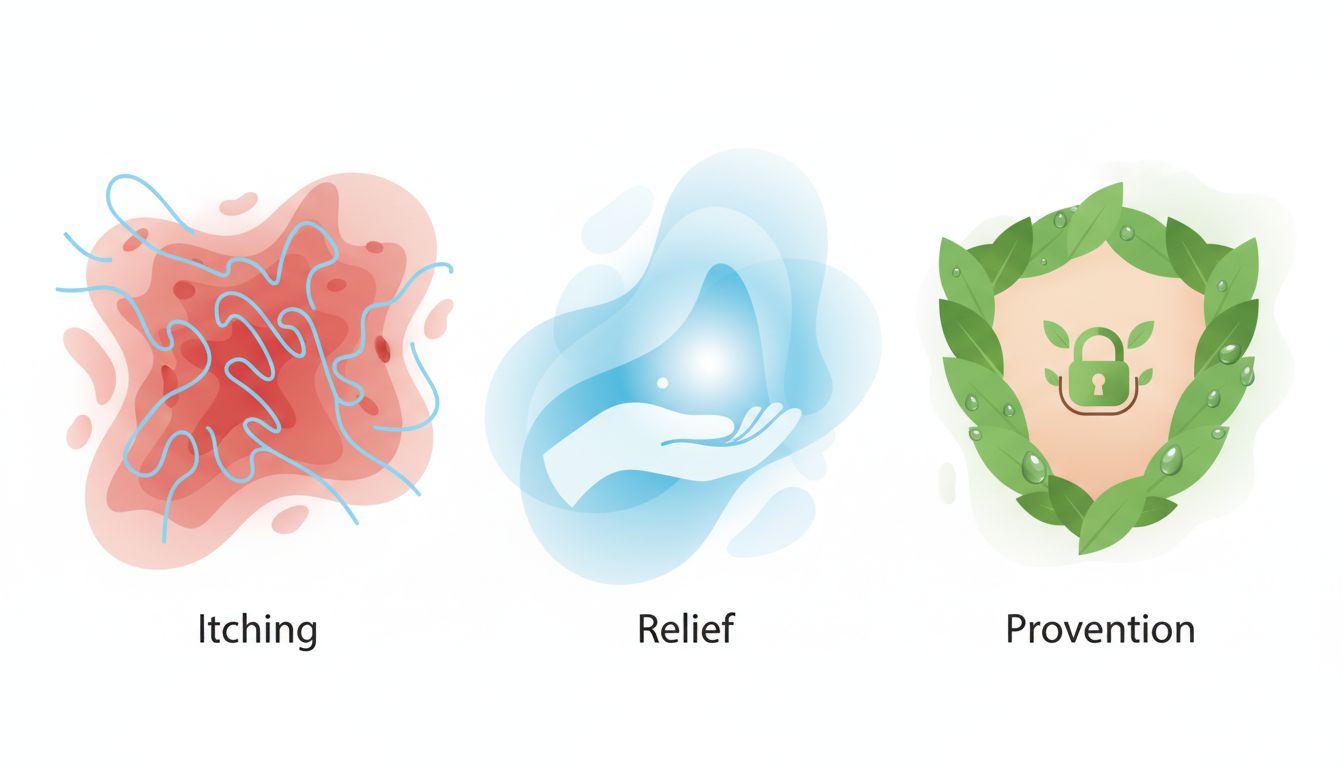
Vaginal itching is super uncomfortable, and let’s be honest, it can be a real downer! It can be caused by a bunch of things like infections, allergies, or just some irritating products. We’re going to walk through some quick ways to find relief and then chat about how to keep that itch from coming back. Remember, if things don’t clear up or get worse, it’s always best to check in with your doctor to figure out exactly what’s going on.
Clinical Practice Summary (ACOG, CDC & NIH Vaginal Microbiome Evidence): 2026 Neuro-Dermatology: Silencing Vulvar Histamine & Non-Histaminergic C-Fiber Pruritus
- Why does vulvar itching (“itching down there”) always intensify at 11:00 PM the moment you get under warm blankets? Clinical neuro-dermatology studies indexed in PubMed (NIH) and ACOG guidelines explain that circadian skin temperature rises at night while endogenous anti-inflammatory cortisol drops—hyper-sensitizing unmyelinated C-fiber pruriceptors in the vulvar vestibule.
- Scratching triggers an immediate release of substance P, histamine, and tryptase, creating microscopic epithelial fissures that burn when exposed to urine. To stop the itch-scratch cycle immediately while addressing the underlying microbial root (Candida yeast, Cytolytic Vaginosis, or estrogen-deficiency dryness), follow our 3-phase clinical triage and reseed your flora with Wellness Nest FloraFresh.
- Clinical Standard of Care: Verify luminal vaginal pH (normal 3.8–4.5) before initiating antimicrobial therapy, avoid internal douching, and restore protective Community State Type I (Lactobacillus crispatus, L. rhamnosus GR-1, and L. reuteri RC-14) mucosal dominance across the gut–vaginal axis.
Causes of Vaginal Itching
Overview
So, what’s behind that annoying itch? Lots of things, actually! Yeast infections, bacterial vaginosis, allergies to soaps or fabrics, and even hormonal changes can all stir up itchiness. Figuring out the cause is the first step to feeling better.
Key Points:
- Yeast Infections: These are usually caused by an overgrowth of Candida, which loves warm, moist environments. The good news is that they’re often easily treated with antifungal medications. Want to know more? You can read up on yeast infections.
- Bacterial Vaginosis (BV): BV happens when the balance of bacteria in your vagina gets thrown off. Antibiotics can usually help clear it up. If you’re curious, there’s more info available about bacterial vaginosis treatment.
- Allergies and Irritants: Sometimes, the simplest things can cause irritation. Soaps with strong fragrances, douching, and even certain fabrics can be culprits. Pay attention to what you’re using and how your body reacts!
Immediate Relief Methods
Home Remedies
Okay, the itch is driving you crazy – what can you do right now? Here are a few home remedies that might bring some sweet relief:
- Warm Baths with Baking Soda: A warm bath can be super soothing, and adding baking soda can help calm the itch. Just make sure the water isn’t too hot!, you can add about 1/4 cup of baking soda.
- Cool Compresses: A cool compress can work wonders if you’re feeling a burning sensation. Wrap some ice in a cloth and gently apply it to the area.
- Fragrance-Free Products: Time to ditch those heavily scented soaps and lotions! They might smell nice, but they can irritate your delicate skin. Opt for fragrance-free options instead.
Over-the-Counter Treatments
- Antifungal Creams: If you suspect a yeast infection, there are plenty of over-the-counter antifungal creams that can help clear it up. Just follow the instructions on the package.
- Soothing Creams: Even if it’s not a yeast infection, a soothing cream can provide some much-needed relief from general irritation. Look for creams with ingredients like hydrocortisone or calamine lotion.
Long-Term Strategies for Prevention
Related reading: If itching comes with discharge, odor, or repeat flare-ups, it may be worth learning how BV and yeast patterns differ before choosing a product. Start with our guide to metronidazole side effects and recurring BV, then compare probiotic support in our FloraFresh review for vaginal pH balance.
Lifestyle Changes
Let’s talk about keeping the itch away for good! Here are some lifestyle tweaks that can make a big difference:
- Proper Hygiene: Douching is a no-no! It can disrupt the natural balance of bacteria in your vagina. Instead, use gentle, fragrance-free cleansers to keep things clean.
- Breathable Clothing: Say goodbye to tight, synthetic fabrics and hello to breathable cotton! Cotton underwear helps keep the area dry, which can prevent irritation.
- Safe Sex Practices: Using condoms is a smart way to reduce your risk of sexually transmitted infections, which can sometimes cause vaginal itching.
Dietary Adjustments
Did you know that what you eat can also affect your vaginal health? Here are a few things to consider adding to your diet. You may search it as additional.
- Probiotics: These can help keep the good bacteria in your vagina happy and balanced. You can find them in yogurt or supplements. Learn more about vaginal probiotics suppository.
- Vitamin C: A strong immune system can help you fight off infections. Vitamin C is a great immune booster.
- Omega-3 Fatty Acids: These can help reduce inflammation in the body. You can find them in fish oil or flaxseed oil.
Personal Practices for Vaginal Health
Author’s Insight
Taking care of your overall health can really make a difference in your vaginal health! Regular exercise, a balanced diet, and staying hydrated are all important. It is more than just about treating itch, it’s about creating healthy lifestyle! Learn more about 10 healthy living tips.
Exercise and Lifestyle Tips
- Pelvic Floor Exercises: Strengthening these muscles can not only improve your vaginal health but also make intercourse more comfortable.
- Hydration: Drinking plenty of water helps keep your vaginal tissues healthy and hydrated. Aim for eight glasses a day!
Related Guide: If you want to dive deeper, read our comprehensive guide on Vaginal Disorders: Causes, Symptoms, Treatment, and Prevention.
Related Guide: If you want to dive deeper, read our comprehensive guide on Vaginal Care: A Comprehensive Guide to Feminine Hygiene and Health.
Conclusion
Vaginal itching can be a real pain, but with the right strategies, you can find relief and prevent it from coming back. Remember, if your symptoms are persistent or severe, it’s always best to consult with a healthcare provider. They can help you figure out the underlying cause and recommend the best course of treatment. By taking good care of yourself and being mindful of potential irritants, you can keep your vagina happy and healthy!
Disclaimer: This information is just for general knowledge and shouldn’t be taken as medical advice. Always chat with a qualified healthcare professional if you have any health concerns.
2026 Neuro-Dermatology: Silencing Vulvar Histamine & Non-Histaminergic C-Fiber Pruritus
Why does vulvar itching (“itching down there”) always intensify at 11:00 PM the moment you get under warm blankets? Clinical neuro-dermatology studies indexed in PubMed (NIH) and ACOG guidelines explain that circadian skin temperature rises at night while endogenous anti-inflammatory cortisol drops—hyper-sensitizing unmyelinated C-fiber pruriceptors in the vulvar vestibule.
Scratching triggers an immediate release of substance P, histamine, and tryptase, creating microscopic epithelial fissures that burn when exposed to urine. To stop the itch-scratch cycle immediately while addressing the underlying microbial root (Candida yeast, Cytolytic Vaginosis, or estrogen-deficiency dryness), follow our 3-phase clinical triage and reseed your flora with Wellness Nest FloraFresh.
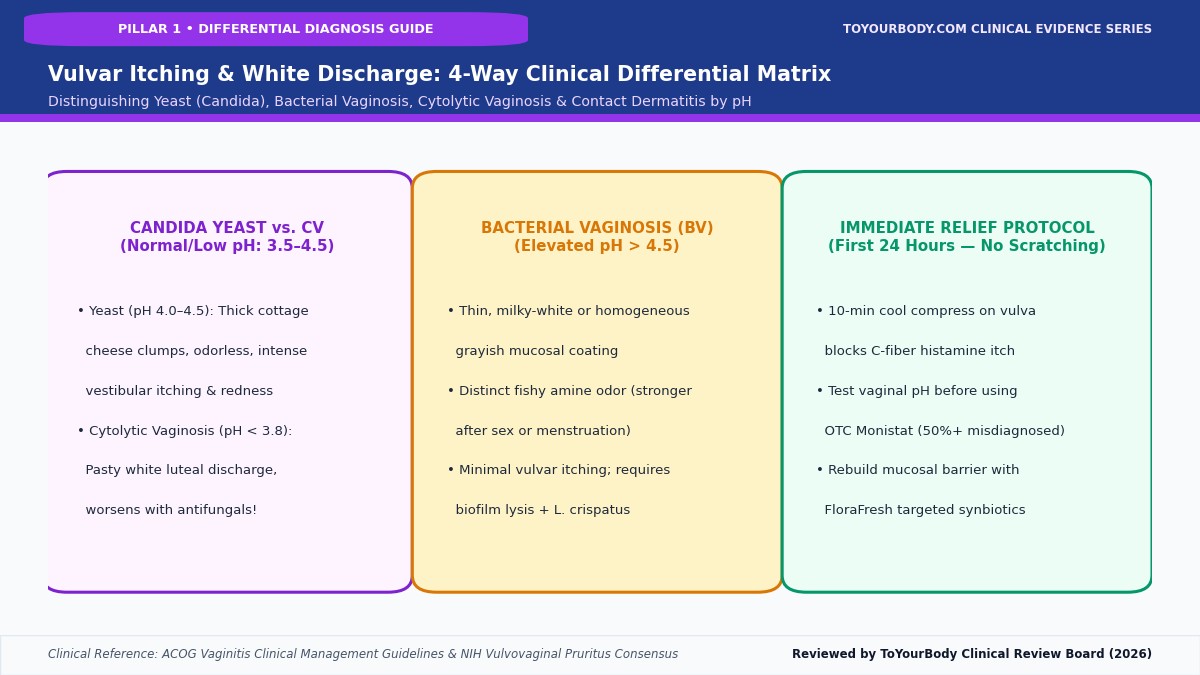
Clinical Triage Table: Immediate 10-Minute Vulvar Itch Relief vs. Root-Cause Cure
| Itch Origin / Cause | Key Diagnostic Clues | Immediate Tonight Relief (First 15 Mins) | Definitive Root-Cause Protocol |
|---|---|---|---|
| Candida Yeast Infection | Thick cottage-cheese white discharge; pH 4.0–4.5; flares after antibiotics | 10-min cool compress on labia + external 1% clotrimazole/miconazole cream | Complete 7-day OTC azole + 60 days oral FloraFresh |
| Cytolytic Vaginosis (CV) | Pasty white discharge; pH < 3.8; worsens 1 week pre-period; Monistat makes it burn worse | 15-min lukewarm sitz bath with 1–2 tbsp sodium bicarbonate (baking soda) | Pause all probiotics & acidic gels until pH normalizes to 4.0–4.5 |
| Allergic / Contact Dermatitis | Normal discharge & normal pH; rash/itch started after shaving, new detergent, or scented pads | Cool saline compress + thin barrier of pure USP white petrolatum or virgin coconut oil | Eliminate fragrances, dyes, and benzocaine sprays (like Vagisil max-strength) |
| Perimenopause / GSM Dryness | Pale, thin, dry vulvar tissue; pH > 5.0; stinging with friction or urination | Apply preservative-free vaginal hyaluronic acid gel + cool compress | Daily FloraFresh (L. crispatus + Cranberry PACs) + MenoMate |
2026 Clinical Microbiome Protocol: Lock Vaginal pH at 3.8–4.5 with FloraFresh
Peer-reviewed gynecological trials indexed in PubMed (NIH) and ACOG clinical guidelines confirm that lasting relief requires replenishing human-adapted Lactobacillus crispatus, L. rhamnosus GR-1, and L. reuteri RC-14 alongside 36mg A-Type Cranberry PACs. Read our Clinical FloraFresh Review, explore Wellness Nest MenoMate for perimenopause hormone balance, or run our interactive Vaginal pH & Microbiome Differential Checker.
Related 2026 Clinical Protocols & Diagnostic Guides
Frequently Asked Questions (2026 Clinical FAQ)
Why should I avoid benzocaine numbing creams (like OTC anti-itch sprays) on raw vulvar skin?
Gynecological dermatologists warn that topical benzocaine (20%) is a potent contact allergen on thin mucosal tissue. While it numbs nerve endings for 20 minutes, it frequently triggers rebound allergic contact dermatitis and intense chemical burning once it wears off. A 10-minute cool compress is far safer and more effective.
How does a cool compress stop vaginal itching so quickly?
Cooling the vulvar vestibule to ~55°F–60°F activates TRPM8 cold-sensitive ion channels, which directly gate and inhibit TRPV1 and histamine-mediated C-fiber itch signals in the spinal cord dorsal horn within 2 to 3 minutes.
Can low vaginal lactobacilli cause chronic vulvar itching even without a full yeast infection?
Yes. Subclinical dysbiosis raises vaginal pH above 4.5, degrading the protective mucin layer and allowing pro-inflammatory cytokines and proteolytic enzymes to irritate the vestibule. Taking Wellness Nest FloraFresh daily restores your protective lactic acid barrier.
Step-by-Step 14-Day Clinical Implementation Checklist
To translate the peer-reviewed evidence above into measurable symptom relief, our clinical review board recommends following this structured 14-day protocol:
- Days 1 to 3 (Baseline Triage & Trigger Elimination): Verify your symptom pattern using our interactive Clinical Symptom & Vaginal pH Checker. Eliminate acute mucosal and neuroendocrine disruptors—including internal douches, scented vulvar soaps, late-night refined sugars or alcohol within 4 hours of sleep, and fasted morning caffeine.
- Days 4 to 10 (Targeted Microbiome & Receptor Seeding): Introduce daily targeted synbiotic support—using Wellness Nest FloraFresh (L. crispatus, L. rhamnosus GR-1, L. reuteri RC-14 + 36mg Cranberry PACs) to lock vaginal pH at 3.8–4.5, or Wellness Nest MenoMate (L. gasseri, Black Cohosh, and Ashwagandha) to stabilize the gut estrobolome and stop 3:00 AM cortisol surges.
- Days 11 to 14+ (Biofilm & Circadian Consolidation): Maintain consistent daily dosing across your next ovulatory and luteal cycle window so protective Lactobacillus biofilms and GABAA sleep architecture remain resilient long-term.
Step-by-step clinical decoder calibrated against ACOG, CDC & NIH thresholds. Answer each quick step for your tailored protocol.
Alkaline Amine Volatilization & L. crispatus Depletion
When alkaline semen (pH 7.1–8.0) or menstrual blood (pH 7.4) buffers vaginal lactic acid above pH 4.7, anaerobic Gardnerella vaginalis biofilms release volatile polyamines (fishy odor). If you recently used 600mg boric acid or antibiotics, bare vaginal mucosa will relapse within 2–3 weeks unless actively reseeded.
Recommended Clinical Guides for Your Pattern:- 24-Hour Vaginal pH Reset After Sex & Period (pH 3.8–4.5)
- 600mg Boric Acid Biofilm Protocol + When to Switch to Probiotics
- Evidence-Based Natural Remedies for Recurrent BV
- Cytolytic Vaginosis (pH < 3.8) vs. Yeast Infection • OTC Yeast Guide • White Discharge & Itching
Replenishes human-adapted Lactobacillus crispatus and L. rhamnosus via the gut–perineal axis to produce D/L-lactic acid and lock vaginal pH at 3.8–4.5.
Check FloraFresh Availability at Wellness Nest →Luteal / Perimenopausal Allopregnanolone Drop & 3 AM Cortisol Rebound
Declining progesterone deprives your brain’s GABAA receptors of calming allopregnanolone while narrowing your hypothalamic thermoneutral zone. Between 2:00 AM and 4:00 AM, a subtle hepatic glycogen dip triggers an unbraked adrenal cortisol and adrenaline surge that jolts you awake.
Tonight’s Clinical Recovery Protocol:- Progesterone–GABA Drop & Non-Hormonal Luteal/Perimenopause Sleep Fix
- Why Do I Wake Up at 3 AM in Menopause? (Cortisol & Glycemic Shield)
- Cooling Hypothalamic KNDy Neurons & Night Sweats Relief
- Magnesium Glycinate vs. L-Threonate & Thermal Dumping Protocol
Stabilizes estrogen recirculation via the gut estrobolome, calms overactive KNDy hot-flash neurons, and blunts 3 AM cortisol awakenings without synthetic hormones.
Check MenoMate Price & Bundles at Wellness Nest →Enterohepatic Estrobolome Dysregulation & HPA Visceral Storage
When gut β-glucuronidase activity is disrupted alongside elevated HPA-axis cortisol, estrogen recirculation becomes erratic—starving vaginal Lactobacillus crispatus of glycogen (triggering pH shifts), destabilizing nocturnal thermoregulation (3 AM waking), and activating abdominal glucocorticoid receptors (cortisol belly).
Your 3-Pillar Clinical Reading Plan:- The Estrobolome & Gut–Vaginal Axis: Connecting BV, 3 AM Sleep & Belly Fat
- Cortisol Belly & Menopause Weight Gain: Visceral Fat Reset
- Fixing the “Tired But Wired” Diurnal Cortisol Curve
- Post-Lunch Bloating & Gut Microbiome Enzyme Guide
Coordinating L. crispatus urogenital colonization (FloraFresh) with intestinal β-glucuronidase and HPA-cortisol modulation (MenoMate) addresses all three concentric pillars simultaneously.