Why are you suddenly so wet (or dry) down there? Vaginal moisture comes from three completely different biological sources: (1) Arousal transudate (clear, slippery fluid squeezed through the vaginal walls within 10–30 seconds of pelvic blood flow), (2) Cervical mucus driven by rising estrogen around ovulation (Days 10–15 of your cycle), and (3) Microbiome shedding. If sudden watery wetness is clear, odorless, and happens mid-cycle, it is a healthy estrogen peak. If it is grayish-white or has a fishy/musky odor, it points to a pH shift above 4.5.
- Why sudden dryness happens even when turned on: Antihistamines, hormonal birth control, high stress cortisol, and luteal/perimenopausal estrogen dips constrict pelvic blood flow and reduce glycogen lubrication.
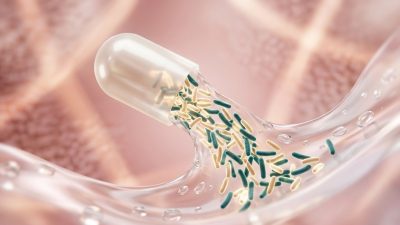
- Microbiome moisture balance: A healthy Lactobacillus crispatus biofilm (see our FloraFresh Review) keeps natural moisture smooth, odorless, and pH-balanced at 3.8–4.5.
The 3 Biological Fluids That Create Vaginal Wetness
When women search “why am I so wet down there all of a sudden?”, they are often surprised to learn that the vaginal canal itself contains zero secretory glands. Instead, every drop of moisture you feel in your underwear or during intimacy is produced by a coordinated interplay of three mechanisms:
1. Vaginal Transudate & Bartholin’s Mucins (Arousal Fluid)
Within 10 to 30 seconds of erotic thoughts, physical touch, or REM-sleep pelvic blood flow, nitric oxide dilates the venous plexus surrounding the vaginal walls. As blood pressure rises inside these tiny capillaries, clear fluid from your bloodstream (plasma transudate) filters through the microscopic spaces between vaginal epithelial cells, forming sweat-like droplets that coalesce into a slick, protective coating. Simultaneously, the pea-sized Bartholin’s glands at the lower entrance (4 and 8 o’clock positions) secrete mucin drops to lubricate the vestibule.
2. Estrogen-Driven Cervical Mucus (The Mid-Cycle Gush)
During the follicular phase leading up to ovulation (typically Days 10 to 15 of a 28-day cycle), estradiol surges to its monthly peak. High estradiol stimulates crypts inside the cervix to produce abundant, alkaline, watery-to-stretchy fluid (often called “egg-white cervical mucus”). This can cause a sudden, noticeable gush of clear wetness when you stand up or exercise—even when you are not sexually aroused. As progesterone takes over in the week before your period, discharge thickens and turns creamy (read our full watery vs. milky white discharge guide).
3. Skene’s Gland Secretions (High-Arousal Release)
During intense stimulation of the anterior vaginal wall (the G-spot / CUV complex), the paraurethral Skene’s glands produce a distinct enzymatic fluid that can release gradually or as a larger expulsive wave (see what squirting feels like).
Clinical Comparison: Arousal Fluid vs. Ovulation Mucus vs. Bacterial Vaginosis (BV)
| Fluid Type | Texture & Stretch | Drying Pattern on Underwear | Scent & Vaginal pH |
|---|---|---|---|
| Arousal Lubrication | Thin, watery-slick, glides smoothly between fingers without clumping | Absorbs cleanly and dries nearly invisible within 30–60 minutes | Odorless or mildly tangy; pH 3.8–4.5 |
| Ovulation Cervical Mucus | Clear, glossy, stretches 1–2 inches between fingertips like raw egg white | Leaves a slightly shiny or pale yellowish/white mark when dry | Odorless; cervical fluid is transiently higher pH (~6.5–7.0) to aid sperm |
| Luteal Pre-Period Discharge | Milky-white, lotion-like, non-stretchy | Dries chalky white or pale cream (natural acidic bleaching) | Mild yogurt-like lactic acid scent; pH 3.8–4.5 |
| Bacterial Vaginosis (BV) | Thin, homogeneous, watery-gray or milky coating that feels persistently damp | Leaves a grayish or yellowish film with persistent odor | Fishy amine scent (stronger after sex); pH > 4.5 |
Why Am I Suddenly Dry Down There—Even When Mentally Turned On?
Experiencing physical dryness despite strong mental desire (known clinically as arousal non-concordance or situational hypolubrication) is exceedingly common and rarely a psychological failure. The top physiological blockers include:
- Antihistamines & Decongestants (Zyrtec, Claritin, Benadryl, Sudafed): Over-the-counter allergy and cold medications block muscarinic acetylcholine receptors and constrict mucosal capillaries—drying out your vaginal walls just like they dry out your nasal passages.
- Low-Dose Combined Oral Contraceptives: Synthetic ethinylestradiol increases Sex Hormone-Binding Globulin (SHBG), which binds free testosterone and estradiol needed by vulvar and vestibular tissue.
- High Evening Cortisol & Sympathetic Stress: Vaginal transudate requires parasympathetic nervous system activation. When work stress or elevated cortisol keeps adrenaline high, blood is shunted away from the pelvic basin—leading to friction and post-sex burning.
- Perimenopause & Postmenopause Estrogen Shifts: As estradiol fluctuates after age 38–42, epithelial glycogen thins out (see our postmenopausal dryness & pH guide). Pairing systemic hydration (see best drinks for vaginal health) with targeted oral microbiome & estrobolome support (FloraFresh and MenoMate) helps restore natural mucosal comfort.
Step-by-step clinical decoder calibrated against ACOG, CDC & NIH thresholds. Answer each quick step for your tailored protocol.
Alkaline Amine Volatilization & L. crispatus Depletion
When alkaline semen (pH 7.1–8.0) or menstrual blood (pH 7.4) buffers vaginal lactic acid above pH 4.7, anaerobic Gardnerella vaginalis biofilms release volatile polyamines (fishy odor). If you recently used 600mg boric acid or antibiotics, bare vaginal mucosa will relapse within 2–3 weeks unless actively reseeded.
Recommended Clinical Guides for Your Pattern:- 24-Hour Vaginal pH Reset After Sex & Period (pH 3.8–4.5)
- 600mg Boric Acid Biofilm Protocol + When to Switch to Probiotics
- Evidence-Based Natural Remedies for Recurrent BV
- Cytolytic Vaginosis (pH < 3.8) vs. Yeast Infection • OTC Yeast Guide • White Discharge & Itching
Replenishes human-adapted Lactobacillus crispatus and L. rhamnosus via the gut–perineal axis to produce D/L-lactic acid and lock vaginal pH at 3.8–4.5.
Check FloraFresh Availability at Wellness Nest →Luteal / Perimenopausal Allopregnanolone Drop & 3 AM Cortisol Rebound
Declining progesterone deprives your brain’s GABAA receptors of calming allopregnanolone while narrowing your hypothalamic thermoneutral zone. Between 2:00 AM and 4:00 AM, a subtle hepatic glycogen dip triggers an unbraked adrenal cortisol and adrenaline surge that jolts you awake.
Tonight’s Clinical Recovery Protocol:- Progesterone–GABA Drop & Non-Hormonal Luteal/Perimenopause Sleep Fix
- Why Do I Wake Up at 3 AM in Menopause? (Cortisol & Glycemic Shield)
- Cooling Hypothalamic KNDy Neurons & Night Sweats Relief
- Magnesium Glycinate vs. L-Threonate & Thermal Dumping Protocol
Stabilizes estrogen recirculation via the gut estrobolome, calms overactive KNDy hot-flash neurons, and blunts 3 AM cortisol awakenings without synthetic hormones.
Check MenoMate Price & Bundles at Wellness Nest →Enterohepatic Estrobolome Dysregulation & HPA Visceral Storage
When gut β-glucuronidase activity is disrupted alongside elevated HPA-axis cortisol, estrogen recirculation becomes erratic—starving vaginal Lactobacillus crispatus of glycogen (triggering pH shifts), destabilizing nocturnal thermoregulation (3 AM waking), and activating abdominal glucocorticoid receptors (cortisol belly).
Your 3-Pillar Clinical Reading Plan:- The Estrobolome & Gut–Vaginal Axis: Connecting BV, 3 AM Sleep & Belly Fat
- Cortisol Belly & Menopause Weight Gain: Visceral Fat Reset
- Fixing the “Tired But Wired” Diurnal Cortisol Curve
- Post-Lunch Bloating & Gut Microbiome Enzyme Guide
Coordinating L. crispatus urogenital colonization (FloraFresh) with intestinal β-glucuronidase and HPA-cortisol modulation (MenoMate) addresses all three concentric pillars simultaneously.