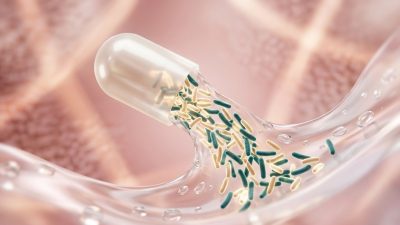
If you have ever searched your phone at 2:00 AM asking, “Why does my BV or yeast infection keep coming back two weeks after finishing boric acid suppositories?”—you have stumbled onto one of the most frustrating blind spots in modern gynecology.
For millions of women trapped in the cycle of recurrent bacterial vaginosis (BV) or azole-resistant yeast infections, a 600mg boric acid suppository feels like a miracle for the first seven days. The fishy amine odor vanishes, thick clumpy discharge clears, and vulvar itching subsides. Yet right after your next period or a single night of unprotected sex, the exact same odor, burning, or discharge comes roaring back.
Here is the clinical reality backed by CDC Sexually Transmitted Infections Treatment Guidelines and NIH microbiome studies: boric acid is a biofilm demolition tool, not a microbiome builder. Understanding how to pair Phase 1 biofilm disruption with Phase 2 Lactobacillus crispatus recolonization is the difference between temporary symptom suppression and lasting freedom within our Intimate & Vaginal Health clinical framework.
Clinical Key Takeaways: The 600mg Boric Acid + Probiotic Reset
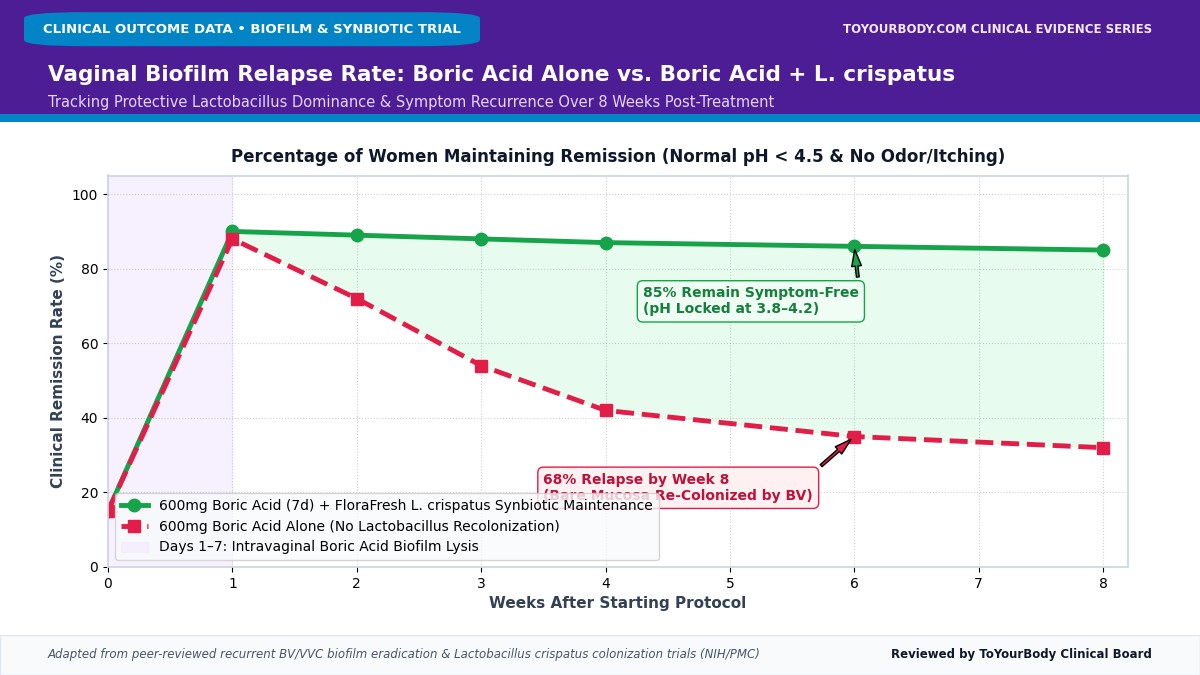
- Why BV & Yeast Return After Boric Acid: A standard 600mg intravaginal boric acid capsule acts as a potent non-selective biofilm disruptor. While it dissolves stubborn Gardnerella vaginalis and non-albicans Candida (C. glabrata) slime layers, it leaves the vaginal epithelium microbially bare. Without immediate recolonization, surviving anaerobic persister cells trigger relapse within 2 to 4 weeks in up to 50%–68% of women.
- The 2-Phase Clinical Solution: Use 600mg intravaginal boric acid for 7–14 nights to strip pathogenic biofilms (Phase 1), while simultaneously taking targeted oral vaginal probiotics—specifically Lactobacillus crispatus, L. rhamnosus GR-1, and L. reuteri RC-14 (found in Wellness Nest FloraFresh)—spaced 12 hours apart to permanently lock vaginal pH at 3.8–4.5 (Phase 2).
- Critical Safety Rule: Boric acid is strictly for intravaginal insertion only (toxic and potentially fatal if swallowed) and is strictly contraindicated during pregnancy.
How 600mg Intravaginal Boric Acid Works: Polymicrobial Biofilm Disruption
To understand why standard prescription antibiotics like oral metronidazole (Flagyl) or over-the-counter antifungals like miconazole (Monistat) and oral fluconazole (Diflucan) fail in recurrent cases, we must examine the architecture of a pathogenic vaginal biofilm.
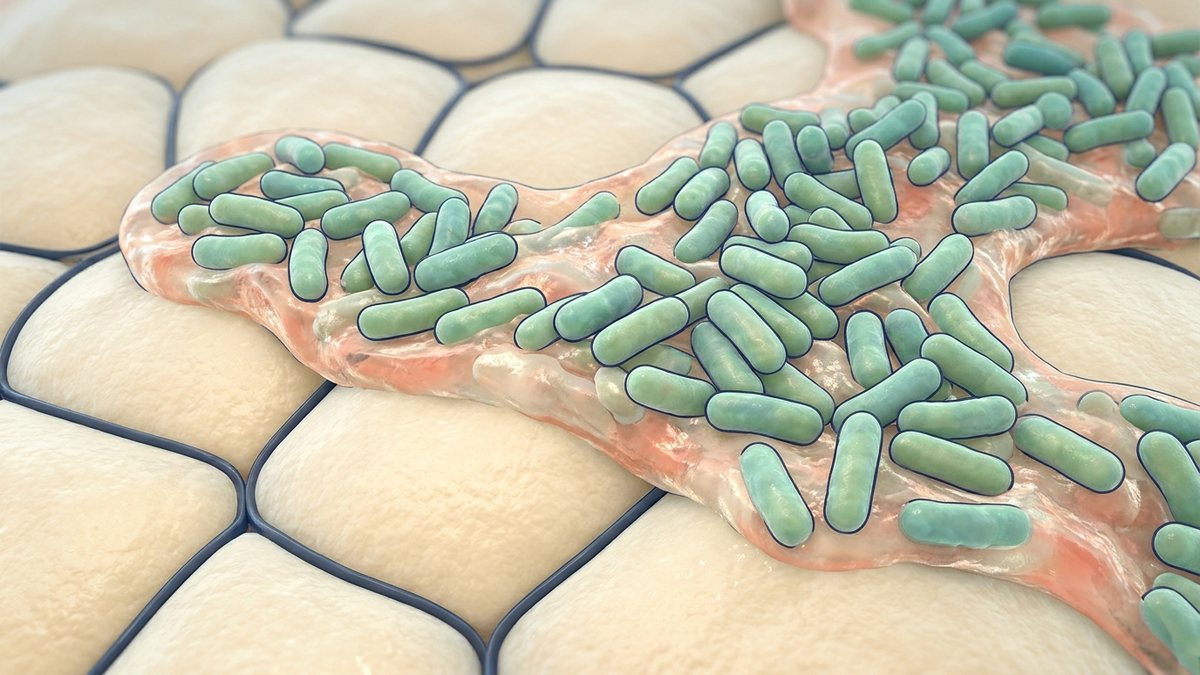
In recurrent Bacterial Vaginosis, anaerobes led by Gardnerella vaginalis and Fannyhessea vaginae (formerly Atopobium vaginae) adhere to the squamous vaginal epithelium—the same delicate tissue explained in our vaginal self-cleaning and microbiome physiology guide—and secrete a dense extracellular polymeric matrix (slime layer) composed of polysaccharides, proteins, and extracellular DNA. Standard antibiotics kill free-floating bacteria in the vaginal lumen, but they cannot fully penetrate this protective matrix. Dormant “persister cells” hide underneath the biofilm shield and reactivate as soon as the antibiotic course ends.
Similarly, in recurrent Vulvovaginal Candidiasis (RVVC), up to 15%–20% of chronic cases are driven by non-albicans Candida species—most notably Candida glabrata and Candida krusei—which possess intrinsic resistance to standard azole medications and form resilient fungal biofilms.
The Three Biochemical Mechanisms of Boric Acid (H3BO3)
- Extracellular Matrix Permeabilization: At the standard clinical dose of 600mg intravaginally, boric acid acts as a weak Lewis acid (pKa ~9.24) that forms ester complexes with cis-diols in microbial cell wall polysaccharides, physically destabilizing the polymicrobial biofilm matrix of both Gardnerella and Candida.
- Fungal Hyphal & Oxidative Inhibition: In Candida albicans and C. glabrata, boric acid inhibits oxidative metabolism and blocks the virulence transition from budding yeast spores into tissue-invasive pseudohyphae.
- Mild Luminal Buffering (pH ~5.0): Boric acid helps pull a highly alkaline BV environment (pH 5.5–6.5) downward toward pH 5.0. However—and this is critical—boric acid alone cannot reach or sustain the optimal human vaginal pH of 3.8–4.5, because only living Lactobacillus bacteria actively ferment glycogen into D- and L-lactic acid.
The “Scorched-Earth” Paradox: Why Boric Acid Alone Triggers Relapse
Think of 600mg boric acid like weeding an overgrown garden with a broad-spectrum herbicide. It clears out the noxious weeds (Gardnerella, Prevotella, Mobiluncus, and Candida biofilms), but it leaves behind bare, uncolonized soil. If you walk away without planting dense, protective groundcover, the fastest-growing organisms in the environment—anaerobic bacteria and opportunistic yeast—will reclaim that bare tissue within days.
Even worse, if a woman uses boric acid indefinitely or misdiagnoses hyper-acidic Cytolytic Vaginosis as a yeast infection, repeated boric acid capsules can suppress her remaining native Lactobacillus populations and cause chemical vulvar irritation or watery discharge. And whenever an alkaline trigger hits—such as unprotected intercourse or menstruation, as detailed in our post-sex and post-period vaginal pH reset guide—an uncolonized vaginal tract has zero lactic acid reserve to defend itself.
The Missing Step After Boric Acid: Reseeding with Lactobacillus crispatus
Once boric acid dissolves the pathogenic biofilm, your vaginal epithelium has a narrow 72-hour colonization window where receptor sites are open. To prevent BV and yeast from re-anchoring, clinical protocols prioritize daily replenishment with human-adapted strains—specifically Lactobacillus crispatus, L. rhamnosus, and L. reuteri combined with anti-adhesion cranberry proanthocyanidins (PACs).
Wellness Nest FloraFresh is formulated specifically for this Phase 2 microbiome lock: its acid-resilient capsule delivers targeted L. crispatus and L. rhamnosus across the gut–vaginal axis so you can start taking it orally in the morning while finishing your nighttime boric acid course.
Clinical Comparison: 600mg Boric Acid vs. Prescription Antibiotics/Antifungals vs. L. crispatus Synbiotics
To help you and your clinician select the right intervention for acute vs. recurrent symptoms, the table below compares standard medical options against sequential microbiome therapy:
| Clinical Parameter | 600mg Intravaginal Boric Acid | Oral Metronidazole (BV) / Fluconazole (Yeast) | Targeted L. crispatus Synbiotic (FloraFresh) |
|---|---|---|---|
| Primary Clinical Indication | Recurrent BV biofilms & azole-resistant Candida glabrata / C. krusei | Acute planktonic Bacterial Vaginosis or uncomplicated Candida albicans | Phase 2 mucosal recolonization, pH 3.8–4.5 maintenance & relapse prevention |
| Biofilm Matrix Penetration | High: Disrupts extracellular polysaccharide slime layers | Low to Moderate: Persister cells often survive underneath intact biofilm | Preventive Shield: Secretes biosurfactants & bacteriocins that block new biofilm adhesion |
| Impact on Protective Lactobacilli | Bacteriostatic at high local concentrations; does not replenish flora | Metronidazole spares some lactobacilli but triggers secondary yeast flares in ~20% | Directly Replenishes: Restores dominant D- & L-lactic acid and H2O2 producers |
| 30- to 90-Day Relapse Rate (Used Alone) | 45%–68% relapse if stopped without probiotic reseeding | 50%–58% BV recurrence within 3–6 months post-antibiotic | <15% Relapse when used continuously after initial biofilm clearance |
| Route & Safety Profile | Intravaginal ONLY (toxic if swallowed; contraindicated in pregnancy) | Oral or topical prescription; GI nausea, metallic taste, liver enzyme caution | Daily oral capsule (safe for ongoing long-term microbiome maintenance) |
Clinical Dosing & Sequencing Protocol: How to Transition from 600mg Boric Acid to Probiotics
One of the most common mistakes women make when combining boric acid with vaginal probiotic suppositories or oral capsules is simultaneous intravaginal co-administration. Because a dissolving 600mg boric acid capsule creates a concentrated bacteriostatic zone inside the vaginal vault for 8 to 12 hours, inserting a live probiotic suppository at the exact same bedtime will inhibit the very Lactobacillus bacteria you are paying to introduce.
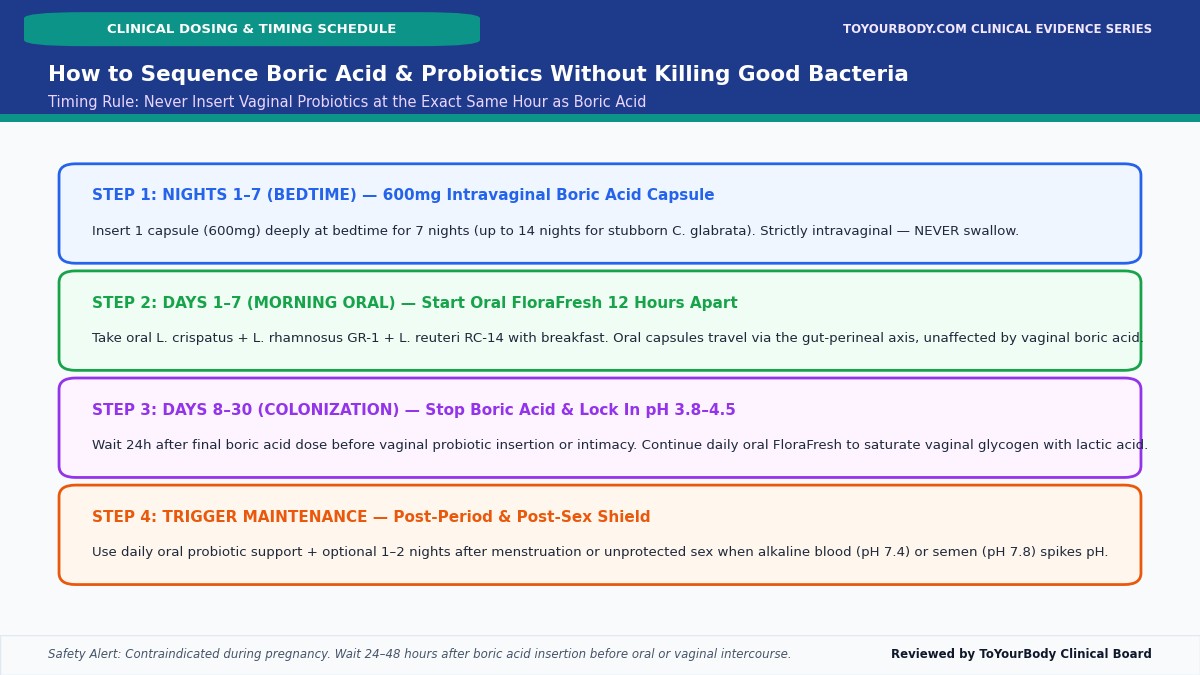
Step 1: Nights 1 to 7 — Targeted 600mg Intravaginal Biofilm Lysis
- For Recurrent BV (Post-Antibiotic or Biofilm Relapse): Insert one 600mg boric acid gelatin or cellulose capsule deeply into the vagina at bedtime for 7 consecutive nights (per ACOG and CDC recurrent BV adjunct protocols, often following nitroimidazole therapy).
- For Non-albicans Yeast (Candida glabrata / C. krusei): CDC guidelines recommend 600mg intravaginally once daily at bedtime for 14 consecutive nights, achieving mycological cure rates of 64% to 71% where fluconazole fails.
- Wear a Breathable Cotton Liner: As the capsule dissolves overnight and lyses biofilm debris, a thin watery discharge the next morning is completely normal.
Step 2: Days 1 to 7 (Morning) — Start Oral L. crispatus 12 Hours Apart
- Because oral probiotics travel through the gastrointestinal tract and seed the vaginal introitus via the perineal bridge over 7 to 14 days, you do not have to wait until your boric acid course is finished to begin oral FloraFresh.
- Take your oral probiotic capsule with breakfast—12 hours separated from your bedtime boric acid insertion—so live L. crispatus, L. rhamnosus GR-1, and L. reuteri RC-14 are already arriving at the vaginal mucosa the moment you stop boric acid on Day 8.
Step 3: Days 8 to 30+ — The Colonization Lock & Trigger Shield
- Wait at least 24 hours after your final 600mg boric acid capsule before inserting any intravaginal probiotic suppository or engaging in sexual activity.
- Continue daily oral FloraFresh for a minimum of 60 to 90 days to establish a resilient Community State Type I (CST-I, L. crispatus-dominant) microbiome capable of buffering menstrual blood and semen without relapsing.
Mandatory Clinical Safety Warnings & Contraindications
4 Non-Negotiable Boric Acid Safety Rules
- NEVER Swallow Boric Acid (Toxic if Ingested): Boric acid capsules look similar to oral vitamin capsules. Store them in a separate drawer away from oral supplements and children. Accidental oral ingestion causes acute gastrointestinal, renal, and central nervous system toxicity. If swallowed, contact Poison Control immediately.
- Strictly Contraindicated in Pregnancy: Do not use intravaginal boric acid if you are pregnant, trying to conceive during your fertile window, or suspect you might be pregnant due to teratogenic risks.
- Wait 24 to 48 Hours Before Oral or Vaginal Sex: Because undissolved boric acid residue remains in the vaginal vault for up to 24 hours, receptive oral sex is unsafe for your partner (toxic if ingested), and gritty crystals can cause micro-abrasions or latex condom degradation during penetrative intercourse.
- Do Not Use on Open Vulvar Ulcers or Sores: If you have severe excoriations, herpes lesions, or open fissures, boric acid will cause intense chemical burning and systemic absorption.
Frequently Asked Questions (Clinician-Reviewed FAQ)
Why did my BV smell come back 3 days after stopping boric acid?
Boric acid lowers vaginal pH temporarily and breaks up Gardnerella biofilms, but it does not produce D-lactic acid or hydrogen peroxide once you stop inserting it. Without replenishing Lactobacillus crispatus and L. rhamnosus via a targeted synbiotic like FloraFresh, surviving anaerobic bacteria multiply rapidly as soon as vaginal pH drifts back above 4.5.
Can I take oral probiotics at the same time as boric acid suppositories?
Yes. Oral vaginal probiotics are taken by mouth in the morning and colonize the vagina via the gut–vaginal axis, so they are not destroyed by a bedtime intravaginal boric acid capsule. However, if you use a direct vaginal probiotic suppository, wait until 24 hours after your final boric acid dose.
What if boric acid and Monistat both make my burning worse?
If your discharge is thick, white, and clumpy with intense burning that worsens after antifungals or acidifying treatments, test your vaginal pH. If your pH is already below 3.8, you likely have Cytolytic Vaginosis (Lactobacillus overgrowth) rather than a yeast infection or BV.
Step-by-step clinical decoder calibrated against ACOG, CDC & NIH thresholds. Answer each quick step for your tailored protocol.
Alkaline Amine Volatilization & L. crispatus Depletion
When alkaline semen (pH 7.1–8.0) or menstrual blood (pH 7.4) buffers vaginal lactic acid above pH 4.7, anaerobic Gardnerella vaginalis biofilms release volatile polyamines (fishy odor). If you recently used 600mg boric acid or antibiotics, bare vaginal mucosa will relapse within 2–3 weeks unless actively reseeded.
Recommended Clinical Guides for Your Pattern:- 24-Hour Vaginal pH Reset After Sex & Period (pH 3.8–4.5)
- 600mg Boric Acid Biofilm Protocol + When to Switch to Probiotics
- Evidence-Based Natural Remedies for Recurrent BV
- Cytolytic Vaginosis (pH < 3.8) vs. Yeast Infection • OTC Yeast Guide • White Discharge & Itching
Replenishes human-adapted Lactobacillus crispatus and L. rhamnosus via the gut–perineal axis to produce D/L-lactic acid and lock vaginal pH at 3.8–4.5.
Check FloraFresh Availability at Wellness Nest →Luteal / Perimenopausal Allopregnanolone Drop & 3 AM Cortisol Rebound
Declining progesterone deprives your brain’s GABAA receptors of calming allopregnanolone while narrowing your hypothalamic thermoneutral zone. Between 2:00 AM and 4:00 AM, a subtle hepatic glycogen dip triggers an unbraked adrenal cortisol and adrenaline surge that jolts you awake.
Tonight’s Clinical Recovery Protocol:- Progesterone–GABA Drop & Non-Hormonal Luteal/Perimenopause Sleep Fix
- Why Do I Wake Up at 3 AM in Menopause? (Cortisol & Glycemic Shield)
- Cooling Hypothalamic KNDy Neurons & Night Sweats Relief
- Magnesium Glycinate vs. L-Threonate & Thermal Dumping Protocol
Stabilizes estrogen recirculation via the gut estrobolome, calms overactive KNDy hot-flash neurons, and blunts 3 AM cortisol awakenings without synthetic hormones.
Check MenoMate Price & Bundles at Wellness Nest →Enterohepatic Estrobolome Dysregulation & HPA Visceral Storage
When gut β-glucuronidase activity is disrupted alongside elevated HPA-axis cortisol, estrogen recirculation becomes erratic—starving vaginal Lactobacillus crispatus of glycogen (triggering pH shifts), destabilizing nocturnal thermoregulation (3 AM waking), and activating abdominal glucocorticoid receptors (cortisol belly).
Your 3-Pillar Clinical Reading Plan:- The Estrobolome & Gut–Vaginal Axis: Connecting BV, 3 AM Sleep & Belly Fat
- Cortisol Belly & Menopause Weight Gain: Visceral Fat Reset
- Fixing the “Tired But Wired” Diurnal Cortisol Curve
- Post-Lunch Bloating & Gut Microbiome Enzyme Guide
Coordinating L. crispatus urogenital colonization (FloraFresh) with intestinal β-glucuronidase and HPA-cortisol modulation (MenoMate) addresses all three concentric pillars simultaneously.