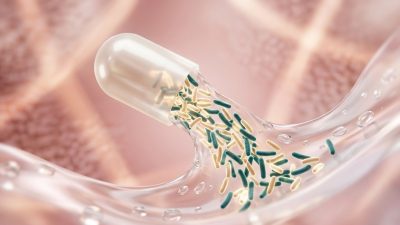
You go to the dentist for an infected tooth, an urgent care clinic for a sinus or respiratory infection, or your doctor for a stubborn urinary tract infection. Within 48 to 72 hours of swallowing your first amoxicillin, doxycycline, or cephalexin pill, a familiar, maddening sensation begins: raw vulvar itching, swelling, stinging when you urinate, and thick, white, cottage-cheese discharge.
For roughly 25% to 35% of women, taking a prescription antibiotic guarantees an immediate vaginal yeast infection—often worse than the original infection the antibiotic was prescribed to treat.
Why does this happen so fast, and why does eating a cup of store-bought yogurt almost never stop it? In this Intimate & Vaginal Health clinical guide, we break down the molecular biology of antibiotic-induced Candida activation and give you the exact 7-Day Microbiome Shield Protocol to protect your vaginal ecosystem from Day 1.
Clinical Key Takeaways: Preventing Antibiotic-Induced Yeast Infections
- Root Physiological Mechanism: Broad-spectrum antibiotics—especially amoxicillin-clavulanate (Augmentin), doxycycline, cephalexin (Keflex), azithromycin, and ciprofloxacin—indiscriminately kill protective vaginal Lactobacillus bacteria within 24 to 48 hours while leaving eukaryotic Candida fungi 100% unharmed.
- Why Symptoms Persist or Relapse: When Lactobacillus crispatus and L. rhamnosus are wiped out, local hydrogen peroxide (H2O2), bacteriocins, and short-chain fatty acids plummet—triggering dormant Candida albicans spores to undergo a morphogenetic switch into tissue-invading pseudohyphae that secrete the cytolytic toxin candidalysin.
- Evidence-Based Recovery Protocol: You can prevent the flare before itching starts by initiating Wellness Nest FloraFresh on Day 1 of your antibiotic prescription, strictly spaced 2 to 3 hours after your antibiotic dose, and continuing for 14 days post-treatment.
The 48-Hour Biological Cascade: From Commensal Yeast Spore to Invasive Hyphae
According to epidemiological data from the Centers for Disease Control and Prevention (CDC) and NIH mycology research, between 20% and 30% of healthy, asymptomatic women carry small numbers of Candida albicans in their vaginal tract and lower gastrointestinal tract at all times. Under normal conditions, these yeast cells exist as harmless, round, unicellular budding spores (blastospores) that cause zero itching and zero inflammation.
What keeps Candida locked in its harmless spore state? A dense, living carpet of Lactobacillus crispatus, L. rhamnosus, and L. jensenii that guards the vaginal mucosa through four simultaneous defense mechanisms:
- Competitive Receptor Exclusion: Lactobacilli physically coat mannose and fibronectin receptors on vaginal squamous epithelial cells, leaving no open parking spaces for Candida adhesin proteins (Als1–Als9).
- Protonated Lactic Acid & Histone Deacetylase Inhibition: At a healthy vaginal pH of 3.8–4.2, protonated D- and L-lactic acid diffuses across fungal cell membranes and suppresses the transcription factors (Efg1 and Cph1) required for yeast-to-hyphal transition.
- Biosurfactants & Hydrogen Peroxide (H2O2): Specific strains like L. rhamnosus GR-1 and L. crispatus secrete antifungal biosurfactants and weak organic acids that disrupt fungal biofilm formation.
- Mucosal IL-22 & Aryl Hydrocarbon Receptor (AhR) Signaling: Lactobacilli metabolize tryptophan into indole-3-aldehyde, which stimulates local immune cells to keep Candida calm without triggering destructive neutrophil inflammation.
What Happens the Moment Broad-Spectrum Antibiotics Hit Your Bloodstream
Because bacteria are prokaryotes (with 70S ribosomes and peptidoglycan cell walls) and Candida fungi are eukaryotes (with 80S ribosomes and chitin/glucan cell walls), antibacterial drugs have zero inhibitory effect on yeast. Instead, systemic antibiotics diffuse into cervicovaginal secretions and the colonic lumen, slaughtering up to 80%–90% of your protective Lactobacillus population within 48 hours. Liberated from competition and lactic acid suppression, Candida albicans flips its genetic virulence switch—sprouting elongated, spear-like pseudohyphae and true hyphae that penetrate epithelial cells and release candidalysin, a peptide toxin that triggers mast cell histamine release, intense vulvar pruritus, and thick white discharge and itching.
Which Antibiotics Carry the Highest Risk of Triggering a Yeast Infection?
Not all prescription antibiotics disrupt the vaginal microbiome equally. Use the clinical risk matrix below to see how common antibiotic classes impact vaginal Lactobacilli and Candida proliferation:
| Antibiotic Class & Common Examples | Common Indications | Vaginal Lactobacillus Depletion Risk | Candida Overgrowth Mechanism | Recommended Shield Level |
|---|---|---|---|---|
| Broad-Spectrum Penicillins (Amoxicillin, Augmentin / Amox-Clav) |
Sinusitis, dental infections, strep throat, ear infections | Very High (30–40% flare rate): Rapidly lyses Gram-positive Lactobacillus cell walls | Clears both gut & vaginal lactobacilli within 48h; clavulanate worsens GI dysbiosis | Start FloraFresh on Day 1 (spaced +2.5h) + continue 14d post-Rx |
| Tetracyclines (Doxycycline, Minocycline) |
Acne, rosacea, Lyme prophylaxis, pelvic/STI infections | High: Inhibits 30S ribosomal protein synthesis in beneficial flora | Long half-life causes sustained suppression of vaginal & rectal lactobacilli | Daily FloraFresh spaced 3h from doxycycline (avoid dairy/Mg at dose time) |
| Cephalosporins (Cephalexin / Keflex, Cefdinir) |
UTIs, skin/soft tissue infections, respiratory infections | High: Broad Gram-positive bactericidal activity depletes CST-I flora | Leaves urogenital mucosa bare; often triggers dual yeast + post-antibiotic BV | Daily FloraFresh (L. crispatus + Cranberry PACs support UTI & vaginal shield) |
| Fluoroquinolones & Macrolides (Ciprofloxacin, Azithromycin) |
Complicated UTIs, bronchitis, traveler’s diarrhea | Moderate to High: Concentrates in urogenital tissues for 5–7 days | Disrupts mucosal IgA and allows rectal Candida reservoir expansion | Daily FloraFresh + low-glycemic anti-Candida nutrition |
| Nitrofurantoin (Macrobid) & Fosfomycin | Uncomplicated acute cystitis (bladder UTI) | Low to Moderate: Concentrates primarily in urine with less vaginal tissue penetration | Lower systemic flora impact than Keflex/Cipro, though sensitive women still flare | Daily FloraFresh provides synergistic cranberry PAC urinary + vaginal defense |
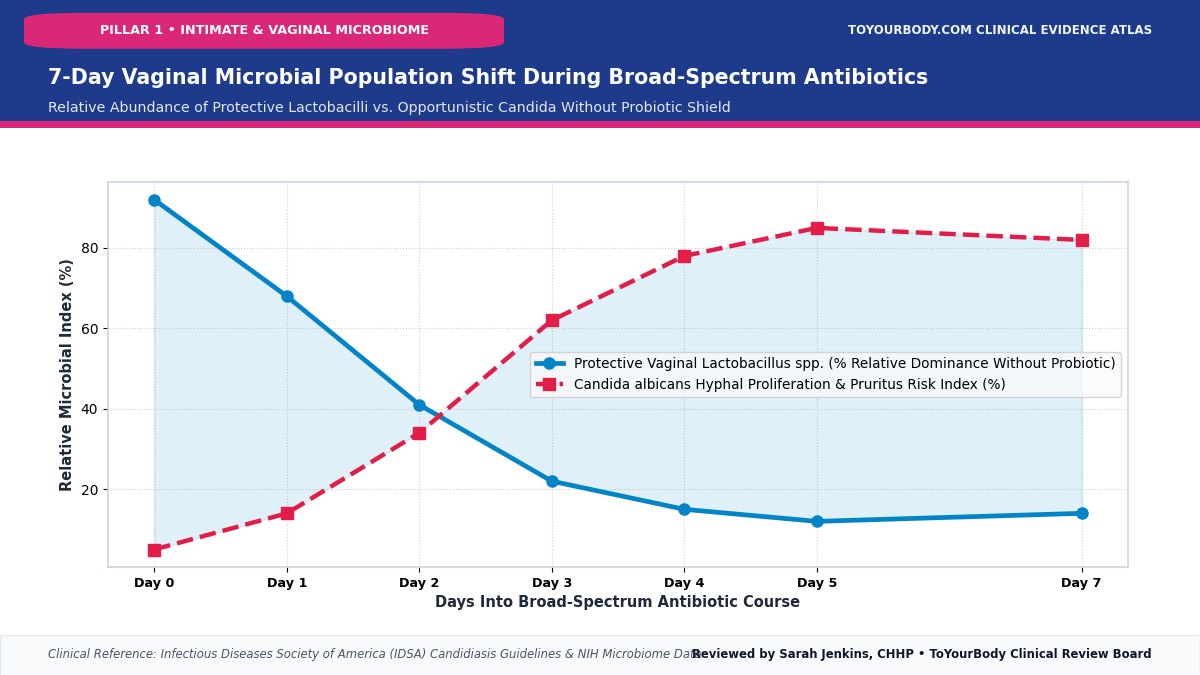
As shown in Figure 2 above, the steepest drop in vaginal Lactobacillus abundance occurs between Hours 24 and 72 of starting an antibiotic—meaning waiting until you feel an itch on Day 5 is waiting too late.
Why Eating Yogurt or Taking Generic Gut Probiotics Fails to Stop Vaginal Yeast
Many women try to protect themselves during an antibiotic course by eating sweetened yogurt or picking up a random probiotic bottle at the pharmacy—only to end up with a severe yeast infection anyway. Three biological errors explain why:
- Wrong Bacterial Species: Commercial yogurts are fermented with Lactobacillus bulgaricus and Streptococcus thermophilus, while generic digestive probiotics rely primarily on Bifidobacterium or food-grade L. acidophilus. As proven in clinical strain-translocation studies, these strains do not express the surface adhesins required to colonize the human vaginal epithelium.
- Swallowing the Probiotic at the Exact Same Time as the Antibiotic: If you swallow a probiotic capsule alongside a 500mg amoxicillin tablet, the dissolved antibiotic kills a massive percentage of the live bacteria right inside your stomach and duodenum before they can ever reach your colon or perineum.
- Hidden Sugar in Yogurt & Kombucha: Flavored yogurts and commercial probiotic drinks often contain 15g to 24g of added cane sugar—which raises tissue glucose and directly feeds Candida albicans biofilm growth!
The 7-Day Antibiotic Microbiome Shield Protocol (How to Space Antibiotics & Probiotics)
To keep your vaginal epithelium fully armored throughout an antibiotic course, follow this four-part clinical spacing and colonization protocol from the very first day of your prescription:
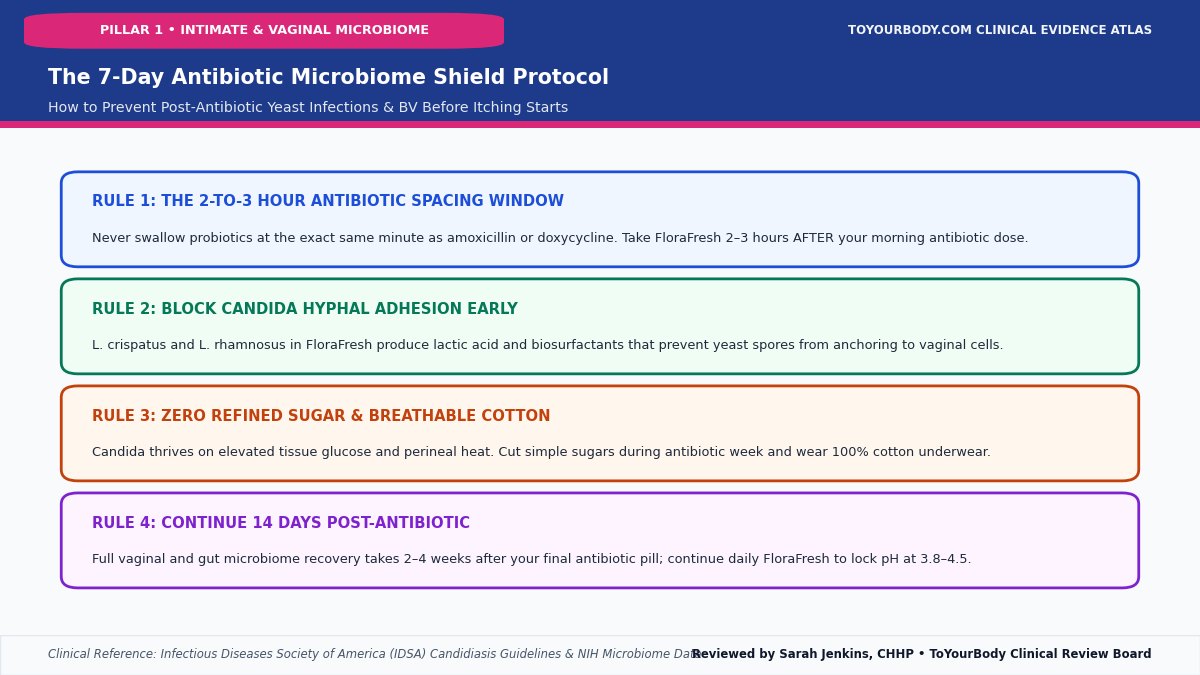
Step 1: The Golden 2-to-3 Hour Spacing Rule
Oral antibiotics like amoxicillin, cephalexin, and doxycycline reach peak concentration in the upper gastrointestinal tract within 60 to 90 minutes of ingestion and clear into the bloodstream shortly thereafter. By taking Wellness Nest FloraFresh exactly 2 to 3 hours after your morning antibiotic dose, the live Lactobacillus crispatus, L. rhamnosus, and L. reuteri strains pass through the upper GI tract unharmed.
Step 2: Dual Rectal-Reservoir & Vaginal Introitus Protection
Antibiotics don’t just kill vaginal lactobacilli—they also trigger a 10- to 100-fold bloom of Candida albicans in the lower colon and rectum, which then migrates across the perineum into the vagina. Oral FloraFresh neutralizes this fungal bloom inside the distal gut while simultaneously seeding the vaginal introitus with antifungal biosurfactants and lactic acid.
Step 3: If You Are Highly Prone to Yeast, Ask About Day-1 & Day-4 Prophylaxis
If you have a history of severe Vulvovaginal Candidiasis every single time you take an antibiotic, discuss with your prescribing physician whether to pair your daily oral probiotic shield with a prophylactic oral fluconazole tablet on Day 1 and Day 4 (or be sure to verify via our Cytolytic Vaginosis vs. Yeast Infection guide that your symptoms are truly fungal before using OTC azoles).
Step 4: Continue Daily FloraFresh for 14 to 30 Days After Your Final Pill
Microbiome sequencing proves that vaginal and intestinal flora remain unstable for at least two to four weeks after finishing broad-spectrum antibiotics—especially across your next menstrual period. Keep taking FloraFresh daily for a full 30-day cycle to prevent late rebound BV or yeast.
The Antibiotic Co-Administration Shield: Wellness Nest FloraFresh
Taking a generic gut probiotic rarely stops a post-antibiotic vaginal yeast infection because Bifidobacterium and generic L. acidophilus do not colonize the vaginal epithelium. Wellness Nest FloraFresh provides clinically researched Lactobacillus crispatus, L. rhamnosus, and L. reuteri plus Organic Cranberry PACs—designed to be taken 2–3 hours after each antibiotic dose to block Candida hyphal switching.
Read our Clinical FloraFresh Review or compare verified formulas in our Women’s Health Products Hub.
Anti-Candida Nutrition & Vulvar Care While on Antibiotics
Give your Lactobacillus shield every metabolic advantage during your antibiotic week with three simple daily habits:
- Starve Fungal Hyphae of Simple Sugars & Alcohol: Candida cell walls are composed of 80% carbohydrates (β-glucans and mannans), and elevated blood glucose directly accelerates yeast-to-hyphal transition. Swap refined sweets, white bread, and fruit juices for proteins, olive oil, garlic (natural allicin), coconut oil (caprylic/lauric acid), and non-starchy greens.
- Eliminate Perineal Moisture Traps: Yeast thrives in warm, dark, humid folds. Sleep in loose 100% breathable cotton underwear, change out of sweaty gym leggings immediately, and avoid hot tubs or scented bubble baths while on antibiotics.
- Support the Gut Estrobolome: Broad-spectrum antibiotics also disrupt intestinal β-glucuronidase enzymes, which can trigger pre-period hormone swings and 3 AM sleep disruptions. Pair prebiotic soluble fibers (flaxseed, chia, steamed asparagus) with your daily probiotic routine.
When Post-Antibiotic Symptoms Require Immediate Medical Attention
While uncomplicated post-antibiotic vaginal itching or curd-like discharge is manageable, contact your physician promptly if you experience:
- Watery Diarrhea (3+ Times Daily), Abdominal Cramping, or Fever: Can indicate Clostridioides difficile (C. diff) colitis, which requires urgent stool testing and targeted medical treatment (never take anti-diarrheal loperamide if C. diff is suspected).
- Burning That Worsens After OTC Monistat: Check your vaginal pH with our Interactive Vaginal pH & Discharge Decoder; if pH is >4.7, the antibiotic may have triggered Bacterial Vaginosis or aerobic vaginitis rather than yeast.
Frequently Asked Questions (Clinician-Reviewed FAQ)
How soon after starting antibiotics can a yeast infection start?
Vaginal itching, vulvar redness, and thick white discharge frequently begin within 48 to 72 hours of starting a broad-spectrum antibiotic like amoxicillin, Augmentin, or doxycycline, as protective Lactobacillus counts drop sharply after the first 3 to 4 doses.
Should I wait until I finish my antibiotics to start taking FloraFresh?
No! Waiting until your antibiotic course is over leaves your vaginal mucosa unguarded during the exact 7-day window when Candida spores switch into invasive hyphae. Start FloraFresh on Day 1 of your antibiotic, spaced 2 to 3 hours after your antibiotic pill.
Why do UTI antibiotics cause a yeast infection and then another UTI?
Broad-spectrum UTI antibiotics like cephalexin or ciprofloxacin wipe out vaginal Lactobacillus crispatus. This first triggers a Candida yeast infection, and then—because vaginal pH rises above 4.8 without lactobacilli—allows rectal E. coli to re-colonize the vaginal introitus and cause a repeat UTI. FloraFresh breaks this cycle by combining L. crispatus with cranberry A-type PACs.
Can I use boric acid suppositories while taking oral antibiotics?
If you are prone to azole-resistant yeast (such as Candida glabrata) or dual BV/yeast flares during antibiotics, your gynecologist may approve bedtime 600mg intravaginal boric acid alongside daytime oral probiotics spaced 2–3 hours from your antibiotic.
Peer-Reviewed Clinical & Government References
- National Institutes of Health (NIH) / PubMed Central: Human Vaginal Microbiome, Estrobolome & Neuroendocrine Sleep Architecture Studies.
- Centers for Disease Control and Prevention (CDC): Sexually Transmitted Infections & Vaginal Dysbiosis Clinical Guidelines.
- NIH Office of Dietary Supplements (ODS): Clinical Micronutrient & Probiotic Fact Sheets for Health Professionals.
- American College of Obstetricians and Gynecologists (ACOG) & The Menopause Society (NAMS) Clinical Practice Guidelines.
Step-by-step clinical decoder calibrated against ACOG, CDC & NIH thresholds. Answer each quick step for your tailored protocol.
Alkaline Amine Volatilization & L. crispatus Depletion
When alkaline semen (pH 7.1–8.0) or menstrual blood (pH 7.4) buffers vaginal lactic acid above pH 4.7, anaerobic Gardnerella vaginalis biofilms release volatile polyamines (fishy odor). If you recently used 600mg boric acid or antibiotics, bare vaginal mucosa will relapse within 2–3 weeks unless actively reseeded.
Recommended Clinical Guides for Your Pattern:- 24-Hour Vaginal pH Reset After Sex & Period (pH 3.8–4.5)
- 600mg Boric Acid Biofilm Protocol + When to Switch to Probiotics
- Evidence-Based Natural Remedies for Recurrent BV
- Cytolytic Vaginosis (pH < 3.8) vs. Yeast Infection • OTC Yeast Guide • White Discharge & Itching
Replenishes human-adapted Lactobacillus crispatus and L. rhamnosus via the gut–perineal axis to produce D/L-lactic acid and lock vaginal pH at 3.8–4.5.
Check FloraFresh Availability at Wellness Nest →Luteal / Perimenopausal Allopregnanolone Drop & 3 AM Cortisol Rebound
Declining progesterone deprives your brain’s GABAA receptors of calming allopregnanolone while narrowing your hypothalamic thermoneutral zone. Between 2:00 AM and 4:00 AM, a subtle hepatic glycogen dip triggers an unbraked adrenal cortisol and adrenaline surge that jolts you awake.
Tonight’s Clinical Recovery Protocol:- Progesterone–GABA Drop & Non-Hormonal Luteal/Perimenopause Sleep Fix
- Why Do I Wake Up at 3 AM in Menopause? (Cortisol & Glycemic Shield)
- Cooling Hypothalamic KNDy Neurons & Night Sweats Relief
- Magnesium Glycinate vs. L-Threonate & Thermal Dumping Protocol
Stabilizes estrogen recirculation via the gut estrobolome, calms overactive KNDy hot-flash neurons, and blunts 3 AM cortisol awakenings without synthetic hormones.
Check MenoMate Price & Bundles at Wellness Nest →Enterohepatic Estrobolome Dysregulation & HPA Visceral Storage
When gut β-glucuronidase activity is disrupted alongside elevated HPA-axis cortisol, estrogen recirculation becomes erratic—starving vaginal Lactobacillus crispatus of glycogen (triggering pH shifts), destabilizing nocturnal thermoregulation (3 AM waking), and activating abdominal glucocorticoid receptors (cortisol belly).
Your 3-Pillar Clinical Reading Plan:- The Estrobolome & Gut–Vaginal Axis: Connecting BV, 3 AM Sleep & Belly Fat
- Cortisol Belly & Menopause Weight Gain: Visceral Fat Reset
- Fixing the “Tired But Wired” Diurnal Cortisol Curve
- Post-Lunch Bloating & Gut Microbiome Enzyme Guide
Coordinating L. crispatus urogenital colonization (FloraFresh) with intestinal β-glucuronidase and HPA-cortisol modulation (MenoMate) addresses all three concentric pillars simultaneously.