Why does your vagina burn or itch after sex? Timing is the fastest diagnostic clue: immediate burning (within 5–30 minutes) is most commonly caused by mechanical micro-abrasions from insufficient lubrication, hyper-osmolar lube/glycerin irritation, or alkaline semen (pH 7.2–8.0) stinging raw mucosal tissue. Delayed itching or odor (12–48 hours later) usually signals a post-coital vaginal pH shift that allowed Gardnerella vaginalis (BV) or Candida albicans (yeast) to overgrow.
- The pH Chemistry Clash: A healthy vagina is strongly acidic (pH 3.8–4.5), whereas human semen is alkaline (pH 7.2–8.0) and acts as a powerful buffer for up to 8–12 hours after unprotected sex.
- Immediate 60-Second Relief: Rinse the external vulva with cool-to-lukewarm water (no soap), apply a cool compress, and avoid antifungal creams until you verify whether pH is elevated.
- Preventing Recurrent Post-Sex Flares: Rebuilding your protective Lactobacillus crispatus lactic-acid reserve (see our FloraFresh Probiotic Audit) prevents alkaline semen from tipping your microbiome into BV or yeast.
The #1 Hidden Culprit: The Semen pH (7.2–8.0) vs. Vaginal pH (3.8–4.5) Collision
Many women assume that vaginal itching or burning after intimacy means they caught an infection from their partner. In clinical gynecology, however, the vast majority of post-coital irritation is driven by pure acid–base biochemistry combined with mucosal friction.
Under normal conditions, beneficial Lactobacillus crispatus bacteria ferment glycogen in the vaginal walls into lactic acid and hydrogen peroxide, keeping the canal at an acidic pH of 3.8 to 4.5. This acidity keeps dormant yeast and anaerobic bacteria locked in check. Human semen, by contrast, has a pH between 7.2 and 8.0—nearly 1,000 times more alkaline on the logarithmic pH scale—designed by evolution to neutralize vaginal acid so sperm can survive.
When ejaculation occurs inside the vagina, two things happen:
- Immediate Chemical Sting on Micro-Tears: If penetrative friction created microscopic epithelial fissures around the posterior fourchette (the base of the vaginal opening) or vestibular mucosa, alkaline seminal fluid—or salty, high-osmolality lubricants—contacts exposed nerve endings and causes an immediate burning sensation.
- The 12-to-48-Hour Microbiome Rebound: If your baseline Lactobacillus population is already thinned by stress, recent antibiotics, or perimenopausal estrogen decline, vaginal pH stays stuck above 4.8–5.5 after sex. Within 24 hours, anaerobic Gardnerella biofilms multiply (causing a fishy amine odor and watery discharge) or Candida hyphae germinate (triggering thick white discharge and intense itching).
Differential Diagnosis Table: Pinpointing Why You Burn or Itch After Sex
| Primary Cause | When Symptoms Start | Vaginal pH | Key Distinguishing Signs |
|---|---|---|---|
| Friction Micro-Tears & Low Arousal Lubrication | During sex or within 5 minutes after | 3.8–4.5 (Normal) | Raw, stinging sensation at the entrance; stings when urine touches the vulva; resolves in 24–36 hours. |
| Hyper-Osmolar Lube, Latex, or Spermicide Allergy | Immediately to 2 hours after contact | 3.8–4.5 (Normal) | Diffuse red, hot, swollen labia; triggered by warming lubes, glycerin, propylene glycol, or latex condoms. |
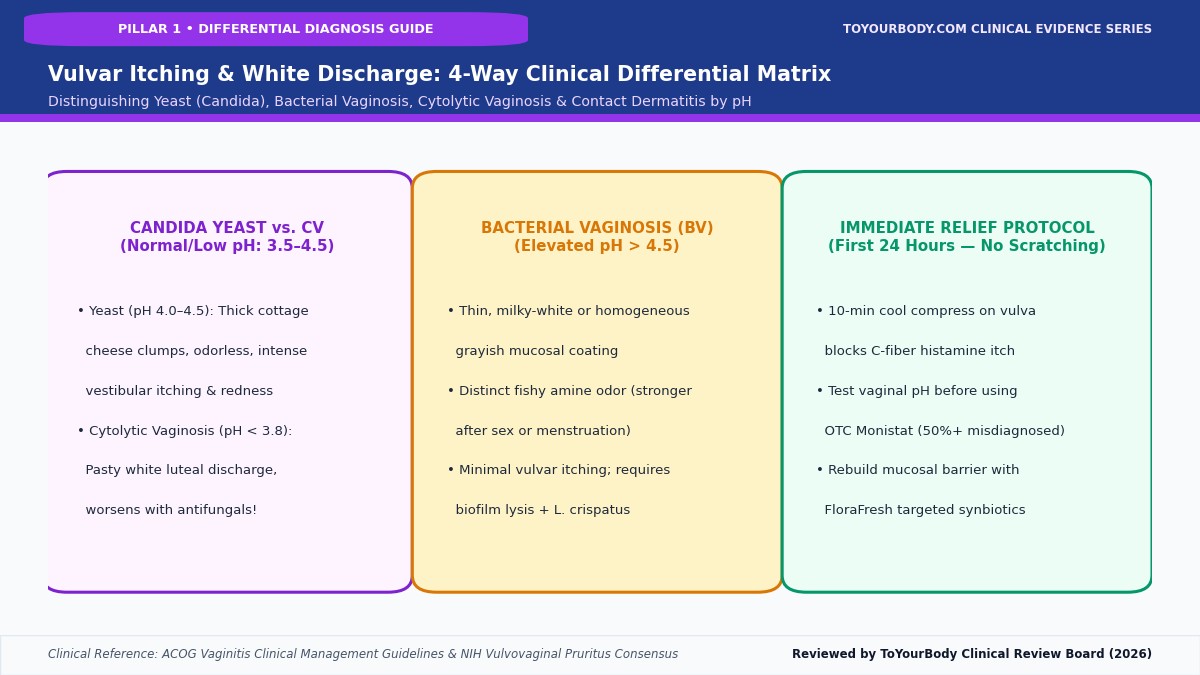
| Post-Coital Bacterial Vaginosis (BV) Shift | 12 to 48 hours after unprotected sex | > 4.5 (Usually 5.0–6.0) | Thin milky/grayish discharge, mild external stinging, distinct fishy amine odor after semen exposure. |
| Post-Coital Yeast Flare (Candida albicans) | 24 to 72 hours after sex | 4.0–4.5 (Normal) | Intense vulvar itching, redness, odorless clumpy white discharge; worsened by glycerin lubricants. |
| Estrogen Decline / Genitourinary Atrophy (GSM) | During penetration & for 1–3 days after | > 5.0 (Low Glycogen) | Paper-thin, dry mucosa in perimenopause/postmenopause or while breastfeeding (see GSM guide). |
Why Drugstore Lubricants Secretly Cause Post-Sex Burning and Yeast
According to World Health Organization (WHO) guidelines, healthy vaginal epithelial cells have an osmolality of roughly 260 to 290 mOsm/kg. Many popular drugstore water-based lubricants are hyper-osmolar (1,200 to 3,000+ mOsm/kg) and packed with glycerin, propylene glycol, or chlorhexidine preservatives. When applied inside the vagina, a hyper-osmolar lubricant literally draws water out of delicate mucosal cells until they shrivel and slough off—leaving raw, burning tissue within minutes and feeding Candida with residual sugars.
The Clinical Fix: Switch to an iso-osmolar, glycerin-free, pH-balanced lubricant (pH 3.8–4.5) or a pure medical-grade silicone lubricant, and ensure full foreplay engorgement (see how arousal fluid works) before penetration.
Step-by-Step Protocol: How to Calm Post-Sex Burning & Lock In pH 3.8–4.5
- Urinate and Rinse Within 15 Minutes: Urinating after sex clears the urethral meatus, while a gentle lukewarm water rinse over the vulva removes residual alkaline semen or lubricant without stripping your protective barrier.
- Cool Compress (Never Scratch or Douche): Hold a clean washcloth soaked in cool water against the labia for 5–10 minutes to constrict dilated capillaries and silence histamine itch fibers. Never douche—douching flushes out your remaining Lactobacilli and pushes bacteria toward the cervix.
- Use Targeted Boric Acid or Lactic Acid Only When pH > 4.5: If a vaginal pH strip reads above 4.7 the morning after unprotected sex, a single post-coital 600 mg boric acid suppository or lactic acid gel can rapidly buffer alkalinity—followed by probiotic re-seeding.
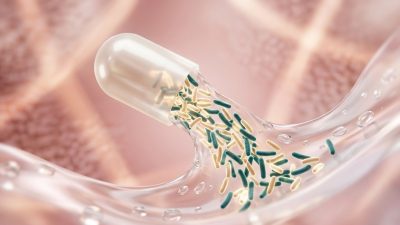
- Build Daily Oral Lactobacillus crispatus Dominance: Boric acid and antibiotics clear bad bacteria, but they do not plant new protective flora. Taking a clinically dosed oral vaginal synbiotic like Wellness Nest FloraFresh supplies resilient Lactobacillus strains that migrate from the lower GI tract to the vaginal mucosa, keeping lactic acid production high enough to neutralize alkaline triggers automatically.
When to See a Gynecologist Immediately
Seek prompt medical evaluation if post-sex burning is accompanied by pelvic or deep abdominal pain, fever, yellow-green frothy discharge, intermenstrual bleeding, or painful blister-like lesions, so your clinician can run a nucleic acid amplification test (NAAT) to rule out trichomoniasis, chlamydia, gonorrhea, or HSV.
Step-by-step clinical decoder calibrated against ACOG, CDC & NIH thresholds. Answer each quick step for your tailored protocol.
Alkaline Amine Volatilization & L. crispatus Depletion
When alkaline semen (pH 7.1–8.0) or menstrual blood (pH 7.4) buffers vaginal lactic acid above pH 4.7, anaerobic Gardnerella vaginalis biofilms release volatile polyamines (fishy odor). If you recently used 600mg boric acid or antibiotics, bare vaginal mucosa will relapse within 2–3 weeks unless actively reseeded.
Recommended Clinical Guides for Your Pattern:- 24-Hour Vaginal pH Reset After Sex & Period (pH 3.8–4.5)
- 600mg Boric Acid Biofilm Protocol + When to Switch to Probiotics
- Evidence-Based Natural Remedies for Recurrent BV
- Cytolytic Vaginosis (pH < 3.8) vs. Yeast Infection • OTC Yeast Guide • White Discharge & Itching
Replenishes human-adapted Lactobacillus crispatus and L. rhamnosus via the gut–perineal axis to produce D/L-lactic acid and lock vaginal pH at 3.8–4.5.
Check FloraFresh Availability at Wellness Nest →Luteal / Perimenopausal Allopregnanolone Drop & 3 AM Cortisol Rebound
Declining progesterone deprives your brain’s GABAA receptors of calming allopregnanolone while narrowing your hypothalamic thermoneutral zone. Between 2:00 AM and 4:00 AM, a subtle hepatic glycogen dip triggers an unbraked adrenal cortisol and adrenaline surge that jolts you awake.
Tonight’s Clinical Recovery Protocol:- Progesterone–GABA Drop & Non-Hormonal Luteal/Perimenopause Sleep Fix
- Why Do I Wake Up at 3 AM in Menopause? (Cortisol & Glycemic Shield)
- Cooling Hypothalamic KNDy Neurons & Night Sweats Relief
- Magnesium Glycinate vs. L-Threonate & Thermal Dumping Protocol
Stabilizes estrogen recirculation via the gut estrobolome, calms overactive KNDy hot-flash neurons, and blunts 3 AM cortisol awakenings without synthetic hormones.
Check MenoMate Price & Bundles at Wellness Nest →Enterohepatic Estrobolome Dysregulation & HPA Visceral Storage
When gut β-glucuronidase activity is disrupted alongside elevated HPA-axis cortisol, estrogen recirculation becomes erratic—starving vaginal Lactobacillus crispatus of glycogen (triggering pH shifts), destabilizing nocturnal thermoregulation (3 AM waking), and activating abdominal glucocorticoid receptors (cortisol belly).
Your 3-Pillar Clinical Reading Plan:- The Estrobolome & Gut–Vaginal Axis: Connecting BV, 3 AM Sleep & Belly Fat
- Cortisol Belly & Menopause Weight Gain: Visceral Fat Reset
- Fixing the “Tired But Wired” Diurnal Cortisol Curve
- Post-Lunch Bloating & Gut Microbiome Enzyme Guide
Coordinating L. crispatus urogenital colonization (FloraFresh) with intestinal β-glucuronidase and HPA-cortisol modulation (MenoMate) addresses all three concentric pillars simultaneously.