What should a healthy vagina smell and taste like? A healthy vagina is never supposed to smell like artificial flowers or have zero scent. Because protective Lactobacillus crispatus bacteria produce pure lactic acid to keep vaginal pH between 3.8 and 4.5, a healthy vagina naturally smells and tastes mildly tangy, slightly sour, or subtly fermented—referencing the exact same beneficial lactic acid found in plain Greek yogurt, sourdough, or kombucha.
- Normal weekly variations: Mildly tangy/yogurt-like (most days), faintly metallic like a copper penny (right before or after your period due to iron in heme), or warm/musky after a workout (groin apocrine sweat glands).
- Red-flag odor (pH > 4.5): A sharp fishy or ammonia-like odor—especially noticeable after unprotected sex—is caused by volatile amines (putrescine, cadaverine, trimethylamine) from Gardnerella vaginalis (BV), not poor hygiene.
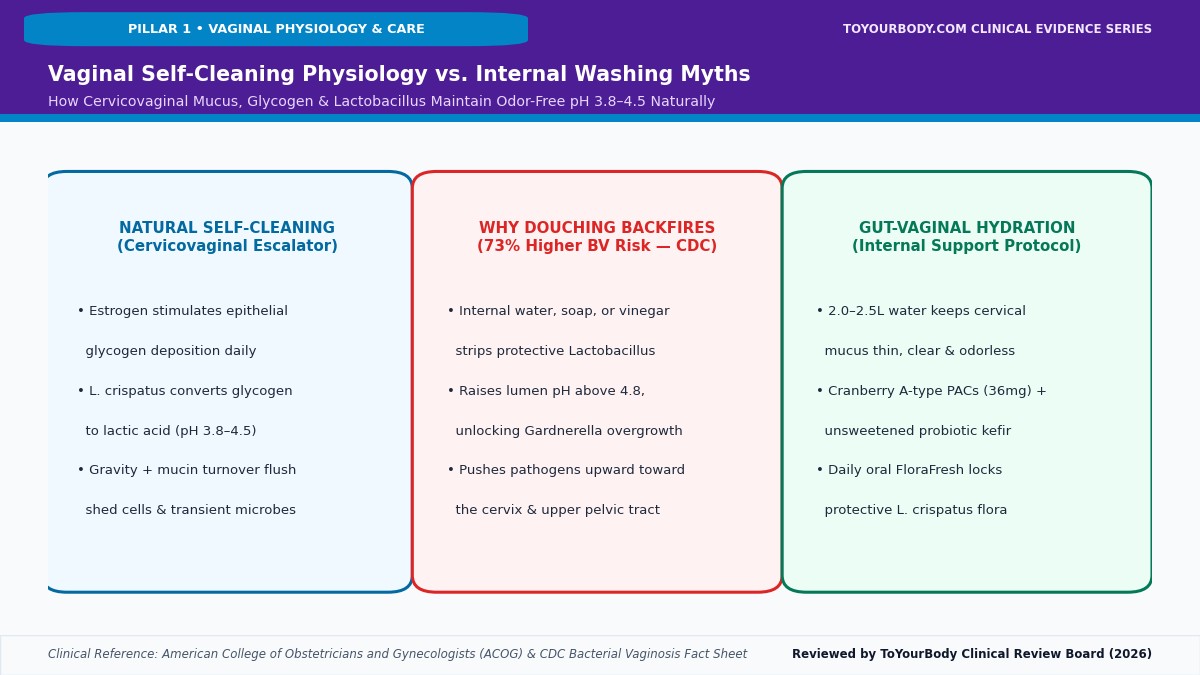
- How to keep scent & pH clean naturally: Skip douches and sugary fruit hacks; support your internal Lactobacillus crispatus dominance directly (see our 2026 FloraFresh Clinical Review).
The Biochemistry of Healthy Vaginal Scent: Why Lactic Acid Is Your Best Friend
One of the most damaging myths in women’s health—reinforced by decades of commercial douche advertising—is the idea of a “dirty vagina” that needs perfumed sprays to smell clean. In clinical microbiology, a vagina that smells faintly tangy or sour is demonstrating peak immune defense.
Here is the exact biochemical pathway: estrogen stimulates the mucosal cells of the vaginal walls to store glycogen. Beneficial Lactobacillus crispatus, L. jensenii, and L. gasseri consume that glycogen and convert it into D- and L-lactic acid alongside trace amounts of hydrogen peroxide and bacteriocins. This keeps the vaginal fluid at an acidic pH of 3.8 to 4.5—almost identical to the acidity of plain yogurt (pH 4.3) or crisp white wine. That mild, clean tanginess on the tongue or in your underwear is literally the taste and scent of protective lactic acid.
How Normal Vaginal Scent & Taste Shift Across the 4 Phases of Your Cycle
| Cycle Phase / Context | Normal Scent & Taste Profile | Typical pH | Biological Reason |
|---|---|---|---|
| Follicular & Ovulation (Days 7–15) | Very mild, clean, slightly sweet or neutral-salty | 3.8–4.4 (Canal) 6.5 (Cervical mucus) |
High estradiol increases clear, watery cervical mucus with high water content and sodium chloride crystals. |
| Luteal Phase (Days 16–27) | Noticeably tangier, yogurt-like, or mildly sour | 3.8–4.2 | Progesterone thickens milky white discharge while Lactobacilli ferment shed glycogen-rich cells into concentrated lactic acid. |
| Menstruation & 1–2 Days After (Days 1–6) | Metallic (like a copper coin) or slightly earthy | 4.8–7.0 (Temporary) | Menstrual blood has a neutral pH of 7.4 and contains hemoglobin iron (Fe2+), which oxidizes on contact with air. |
| Post-Workout or High-Stress Day | Warm, musky, or faintly onion/garlic-like | 3.8–4.5 (Internal) | External groin apocrine sweat glands secrete lipid- and protein-rich sweat (plus sulfur compounds from garlic/onions/coffee). |
| Bacterial Vaginosis (BV) / Dysbiosis | Sharp fishy or chemical amine odor (strongest after sex) | > 4.5 (5.0–6.0) | Gardnerella and Prevotella break peptides into trimethylamine, putrescine, and cadaverine (see why BV biofilms recur). |
Do Pineapple Juice or Cranberry Drinks Actually Change Vaginal Taste?
As we detailed in our clinical breakdown of what you can drink to clean your vagina inside, eating bowls of pineapple will not turn vaginal transudate into fruit syrup—and excessive dietary refined sugar can actually provoke Candida yeast overgrowth. However, what you drink and eat does influence external apocrine sweat and internal microbiome balance:
- 2.0–2.5 Liters of Plain Water Daily: Dilutes concentrated urea in trace urine on the vulva and keeps mucosal transudate light and clean.
- Ease Off Heavy Alliums, Asparagus & Excess Coffee Before Intimacy: Volatile organosulfur compounds from raw garlic, onions, and heavy espresso are excreted through groin apocrine sweat glands within 3 to 6 hours.
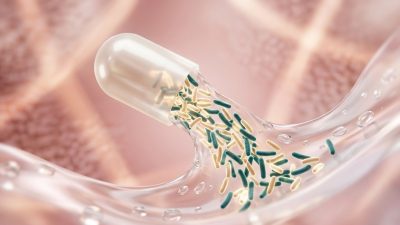
- Prioritize Fermented Foods & Oral Vaginal Synbiotics: Unsweetened kefir, Greek yogurt, and clinically validated oral Lactobacillus crispatus capsules (learn how oral probiotics reach the vagina) directly prevent the fishy amine shifts caused by period blood or alkaline semen after sex. See our full ingredient and strain audit in the Wellness Nest FloraFresh Review.
Step-by-step clinical decoder calibrated against ACOG, CDC & NIH thresholds. Answer each quick step for your tailored protocol.
Alkaline Amine Volatilization & L. crispatus Depletion
When alkaline semen (pH 7.1–8.0) or menstrual blood (pH 7.4) buffers vaginal lactic acid above pH 4.7, anaerobic Gardnerella vaginalis biofilms release volatile polyamines (fishy odor). If you recently used 600mg boric acid or antibiotics, bare vaginal mucosa will relapse within 2–3 weeks unless actively reseeded.
Recommended Clinical Guides for Your Pattern:- 24-Hour Vaginal pH Reset After Sex & Period (pH 3.8–4.5)
- 600mg Boric Acid Biofilm Protocol + When to Switch to Probiotics
- Evidence-Based Natural Remedies for Recurrent BV
- Cytolytic Vaginosis (pH < 3.8) vs. Yeast Infection • OTC Yeast Guide • White Discharge & Itching
Replenishes human-adapted Lactobacillus crispatus and L. rhamnosus via the gut–perineal axis to produce D/L-lactic acid and lock vaginal pH at 3.8–4.5.
Check FloraFresh Availability at Wellness Nest →Luteal / Perimenopausal Allopregnanolone Drop & 3 AM Cortisol Rebound
Declining progesterone deprives your brain’s GABAA receptors of calming allopregnanolone while narrowing your hypothalamic thermoneutral zone. Between 2:00 AM and 4:00 AM, a subtle hepatic glycogen dip triggers an unbraked adrenal cortisol and adrenaline surge that jolts you awake.
Tonight’s Clinical Recovery Protocol:- Progesterone–GABA Drop & Non-Hormonal Luteal/Perimenopause Sleep Fix
- Why Do I Wake Up at 3 AM in Menopause? (Cortisol & Glycemic Shield)
- Cooling Hypothalamic KNDy Neurons & Night Sweats Relief
- Magnesium Glycinate vs. L-Threonate & Thermal Dumping Protocol
Stabilizes estrogen recirculation via the gut estrobolome, calms overactive KNDy hot-flash neurons, and blunts 3 AM cortisol awakenings without synthetic hormones.
Check MenoMate Price & Bundles at Wellness Nest →Enterohepatic Estrobolome Dysregulation & HPA Visceral Storage
When gut β-glucuronidase activity is disrupted alongside elevated HPA-axis cortisol, estrogen recirculation becomes erratic—starving vaginal Lactobacillus crispatus of glycogen (triggering pH shifts), destabilizing nocturnal thermoregulation (3 AM waking), and activating abdominal glucocorticoid receptors (cortisol belly).
Your 3-Pillar Clinical Reading Plan:- The Estrobolome & Gut–Vaginal Axis: Connecting BV, 3 AM Sleep & Belly Fat
- Cortisol Belly & Menopause Weight Gain: Visceral Fat Reset
- Fixing the “Tired But Wired” Diurnal Cortisol Curve
- Post-Lunch Bloating & Gut Microbiome Enzyme Guide
Coordinating L. crispatus urogenital colonization (FloraFresh) with intestinal β-glucuronidase and HPA-cortisol modulation (MenoMate) addresses all three concentric pillars simultaneously.